---
# Hyperbaric Oxygen Therapy, PRP Therapy, and Stem Cell Therapy: A Powerful Combination for Faster Healing
**URL:** https://mdhyperbaric.com/blog/prp-therapy-stem-cell-therapy-and-hyperbaric-oxygen-therapy-a-powerful-healing-combination
Date: 2026-05-21
Author: Jeff Lentz
Post Type: post
Summary: Patients today are increasingly turning to regenerative medicine to heal injuries without surgery. Treatments like PRP therapy, stem cell therapy, and hyperbaric oxygen therapy (HBOT) are changing how recovery happens at the cellular level. When combined, these therapies may accelerate tissue repair, reduce inflammation, and support faster healing outcomes for sports injuries, orthopedic conditions, chronic wounds, and more.
Categories: Blog
Tags: Athletic injury, Athletic Performance, HBOT, MSK, Sports, Sports injury
Featured Image: https://mdhyperbaric.com/wp-content/uploads/2026/05/Untitled-design-41.png
---
**Reviewed by: Elizabeth Chan, NP (Medical Director, MD Hyperbaric)**
In today’s rapidly advancing world of regenerative medicine, treatments like PRP therapy, stem cell therapy, and hyperbaric oxygen therapy (HBOT) are transforming how we approach healing. Instead of masking pain or relying solely on surgery, these innovative therapies focus on repairing damaged tissue at the cellular level.
Even more powerful is what happens when these therapies are combined. PRP therapy, stem cell activation, and hyperbaric oxygen therapy work together to accelerate recovery, reduce inflammation, and improve long-term outcomes for patients seeking non-surgical healing solutions.
## What Is PRP Therapy and How Does It Work?
PRP therapy, also known as platelet-rich plasma therapy, is a regenerative treatment that uses a patient’s own blood to promote healing. A small blood sample is drawn and processed in a centrifuge to concentrate platelets. These platelets are then injected directly into the injured or damaged tissue.
Platelets contain powerful growth factors such as TGF-β1 and fibroblast growth factors. These biological signals stimulate cell reproduction, encourage tissue regeneration, and support the formation of new blood vessels.
PRP therapy is commonly used to treat:
- Tendon and ligament injuries
- Osteoarthritis and joint pain
- Muscle tears and sports injuries
- **[Chronic wounds](https://mdhyperbaric.com/blog/hbot-for-healing-wounds)**
- Orthopedic conditions
Because PRP therapy enhances the body’s natural healing response, it has become a leading option in [**sports medicine and regenerative care**](https://mdhyperbaric.com/blog/hbot-in-sports-medicine-enhancing-recovery-and-performance).
## Stem Cell Therapy and its Role in Healing
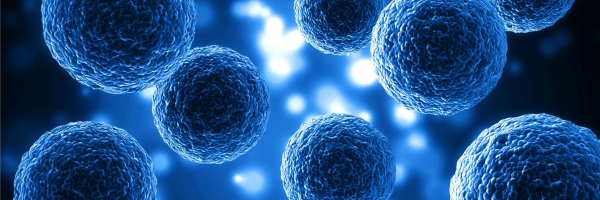
Stem cell therapy plays a critical role in regenerative medicine by supporting the body’s ability to repair itself. Stem cells are unique because they can transform into different types of tissue, including muscle, bone, and cartilage.
When an injury occurs, the body releases signals that attract stem cells to the damaged area. However, this process is often limited, especially in chronic injuries or aging patients.
PRP therapy helps guide stem cells to the injury site by acting as a signaling mechanism. At the same time, hyperbaric oxygen therapy increases the number of circulating stem cells and enhances their activity.
This combination creates a more efficient and targeted healing response, making stem cell therapy and PRP therapy more effective together.
## What Is Hyperbaric Oxygen Therapy (HBOT)?
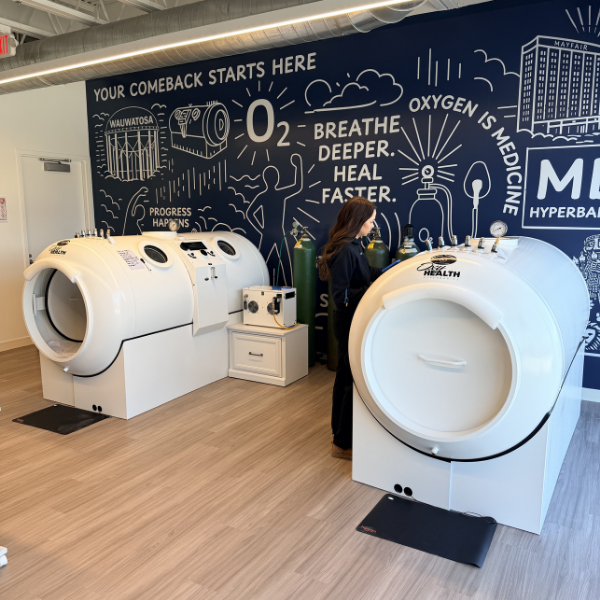
**[Hyperbaric oxygen therapy](https://mdhyperbaric.com/what-is-hbot)**, commonly referred to as HBOT, involves breathing 100 percent oxygen in a pressurized chamber. This process allows oxygen to dissolve into the blood plasma at levels far greater than normal, significantly increasing oxygen delivery throughout the body.
Oxygen is essential for healing, especially in injured or inflamed tissues that may be oxygen-deprived. Hyperbaric oxygen therapy improves the body’s ability to repair itself by enhancing multiple biological processes.
Key cellular and biological mechanisms and benefits of HBOT include:
- Increased oxygen delivery to damaged tissues
- Stem cell mobilization from bone marrow
- Improved circulation and angiogenesis
- Enhanced collagen production for tissue repair
- Reduced inflammation and swelling
HBOT creates an optimal environment for healing, which is why it is increasingly used alongside PRP therapy and stem cell therapy.
## Why Combine PRP Therapy, Stem Cell Therapy, and HBOT?
Individually, PRP therapy, stem cell therapy, and hyperbaric oxygen therapy are effective. When combined, they create a synergistic effect that significantly improves healing outcomes.
PRP therapy delivers concentrated growth factors and directs the healing process. Hyperbaric oxygen therapy enhances oxygen delivery and increases stem cell activity. Stem cell therapy provides the regenerative cells needed for tissue repair.
**[Research shows that hyperbaric oxygen therapy](https://www.sciencedirect.com/science/article/pii/S2214031X24001682?utm_source=chatgpt.com)** can increase the concentration of growth factors within PRP, improving its effectiveness.
At the same time, HBOT increases circulating stem cells, while PRP injections attract these cells to the targeted injury site. This coordinated response accelerates tissue repair and improves recovery timelines.
Benefits of combining these therapies include:
- Faster healing and recovery times
- Enhanced tissue regeneration
- Reduced inflammation and pain
- Improved outcomes for chronic and acute injuries

## Clinical Evidence Supporting Combined Therapy
Scientific research continues to support the use of PRP therapy and hyperbaric oxygen therapy together. In one study (Coopoo et al 2015, AJPHERD) involving hamstring injuries of rugby players, patients who received a combination of PRP therapy, HBOT, and rehabilitation experienced:
- 38 percent faster recovery for mild injuries
- 45.7 percent faster recovery for moderate injuries
- Zero re-injury rates in certain cases
A more recent 2025 study (Tekin et al 2025, Journal of Orthopaedic Translation) examined the effectiveness of Bone Fracture Healing (Femur Model) using PRP preconditioned with hyperbaric oxygen (hPRP) vs. normobaric PRP. HBOT-preconditioned PRP accelerated bone healing compared to standard PRP
Additional research has shown improved outcomes in cartilage regeneration, and chronic wound treatment when PRP therapy is combined with hyperbaric oxygen therapy. These findings reinforce the value of integrating regenerative therapies for better and more consistent patient outcomes.

## A Proven Treatment Approach for Faster Healing
One of the most effective methods for combining PRP therapy and hyperbaric oxygen therapy is a structured treatment protocol.
This often includes:
- A hyperbaric oxygen therapy session before PRP therapy to increase stem cell mobilization
- A targeted PRP injection at the injury site
- A follow-up HBOT session to enhance growth factor activity and tissue repair
This approach may be repeated over several weeks to support ongoing healing and tissue regeneration.
## The Future of Regenerative Medicine
Regenerative medicine is shifting the focus from symptom management to true healing. By combining PRP therapy, stem cell therapy, and hyperbaric oxygen therapy, patients can experience a more advanced and effective approach to recovery.
Hyperbaric Oxygen Therapy (HBOT) has been shown to significantly enhance the biological activity of Platelet-Rich Plasma (PRP), increasing growth factor concentrations, promoting stem cell mobilization, and accelerating tissue regeneration. The combination therapy has demonstrated measurable improvements across multiple conditions including bone fractures, cartilage defects, diabetic wounds, and **[sports injuries](https://mdhyperbaric.com/conditions/athletic-recovery)**.
Clinical studies consistently show that HBOT-preconditioned PRP outperforms standard PRP alone, suggesting that hyperbaric oxygen creates an optimal biological environment for maximizing the regenerative potential of platelet-rich plasma therapy.
This integrated strategy addresses the root cause of injury, supports the body’s natural repair processes, and delivers faster, longer-lasting results without surgery. For patients seeking innovative treatment options, the future of healing lies in combining these powerful therapies to achieve optimal outcomes.
##### Supporting Research:
Coopoo et al 2015, AJPHERD
Tekin et al 2025, Journal of Orthopaedic Translation

#### Reviewed by Elizabeth Chan, NP (Medical Director, MD Hyperbaric)
Elizabeth Chan, NP, serves as Medical Director at MD Hyperbaric and reviews educational content for clinical accuracy, patient safety, and clarity. She supports evidence-informed care planning for people exploring hyperbaric oxygen therapy for recovery, neurological symptoms, and wellness goals.
*Disclaimer: This article is for informational purposes only and does not constitute medical or insurance advice. Please consult a qualified healthcare provider for personal recommendations and check with your insurance company for current policy details.*
---
## Categories
- Blog
---
## Navigation
- [MD Hyperbaric](https://mdhyperbaric.com/)
## Tags
- Athletic injury
- Athletic Performance
- HBOT
- MSK
- Sports
- Sports injury
---
## Footer Links
- [SKT Doctor](https://www.sktthemes.org/shop/free-medical-clinic-wordpress-theme/)