---
# HBOT for Stroke Recovery: Supporting Brain Repair and Function
**URL:** https://mdhyperbaric.com/blog/hbot-for-stroke-recovery-supporting-brain-repair-and-function
Date: 2026-06-18
Author: Jeff Lentz
Post Type: post
Summary: Stroke recovery often plateaus, leaving patients searching for additional options. Hyperbaric oxygen therapy has shown potential in improving brain repair and restoring function even months or years after injury.
Categories: Blog
Tags: brain healing, HBOT, hyperbaric therapy, neurological conditions, stroke, stroke recovery
Featured Image: https://mdhyperbaric.com/wp-content/uploads/2026/06/Untitled-design-48.png
---
**Reviewed by: Elizabeth Chan, NP (Medical Director, MD Hyperbaric)**
Stroke recovery does not always follow a straight path.
In the early stages, progress can be noticeable. Movement begins to return. Speech improves. Daily function slowly rebuilds. But for many patients, that progress eventually slows or stops altogether.
This plateau is one of the most challenging parts of recovery.
Months or even years after a stroke, individuals may still experience weakness, difficulty with coordination, speech limitations, or cognitive challenges. At that point, many are told they have reached their maximum recovery.
But emerging research suggests that the brain may still have the capacity to improve.
Hyperbaric oxygen therapy is one approach that is helping redefine what recovery can look like, even long after the initial injury.

## What Happens in the Brain After a Stroke
A stroke occurs when blood flow to part of the brain is interrupted.
Without adequate blood supply, brain tissue is deprived of oxygen and nutrients. Some cells are permanently damaged, but not all affected areas are lost.
Surrounding the core area of injury is a region often referred to as the “penumbra.” In this zone, cells are impaired but not dead. They are under-functioning due to reduced oxygen availability and metabolic disruption.
These cells represent potential.
With the right conditions, they may regain function.
The challenge is that standard recovery approaches do not always reactivate these areas.

## Why Recovery Plateaus
The brain has an incredible ability to adapt, especially in the early stages after injury.
This process, known as neuroplasticity, allows undamaged areas of the brain to take over functions that were lost. Rehabilitation therapies are designed to support this process.
However, neuroplasticity depends on several key factors:
- Adequate oxygen supply
- Sufficient blood flow
- Healthy cellular metabolism
- Controlled levels of inflammation
When these conditions are not fully met, recovery slows.
Even if rehabilitation continues, the brain may not have the resources it needs to keep improving.
This is where hyperbaric oxygen therapy can play a role.
## How HBOT Supports Brain Recovery after a Stroke
Hyperbaric oxygen therapy works by increasing the amount of oxygen delivered to tissues throughout the body, including the brain.
During treatment, patients breathe pure oxygen in a pressurized chamber. This allows oxygen to dissolve directly into the blood plasma at significantly higher levels than normal.
Because this oxygen is carried in the plasma, it can reach areas of the brain where circulation is limited.
This has several important effects, some of which are noted in this 2018 study: [**A Dual Role for Hyperbaric Oxygen in Stroke Neuroprotection: Preconditioning of the Brain and Stem Cells**](https://pmc.ncbi.nlm.nih.gov/articles/PMC6075658/)

## Reactivating Underperforming Brain Tissue
One of the most promising aspects of HBOT in stroke recovery is its ability to support the function of the penumbra.
Cells in this region are not fully functional due to lack of oxygen and metabolic disruption. By increasing oxygen delivery, HBOT helps restore the conditions needed for these cells to become active again.
This can lead to improvements in:
- Motor function
- Coordination
- Speech
- Cognitive performance
Even long after a stroke, these changes can occur because the cells were never completely lost.
They were simply inactive.
## Promoting Neuroplasticity
Neuroplasticity is the brain’s ability to reorganize and form new neural connections.
HBOT has been shown to stimulate this process by:
- Enhancing neuronal activity
- Promoting the formation of new blood vessels
- Supporting the repair of damaged neural pathways
This creates an environment where the brain can continue to adapt and improve.
[For stroke patients, HBOT may mean regaining abilities](https://mdhyperbaric.com/conditions/neurological-and-neurodegenerative-conditions) that were thought to be permanently lost.
## Improving Blood Flow and Circulation
After a stroke, blood flow in the affected areas of the brain is often reduced.
HBOT promotes angiogenesis, the formation of new blood vessels. Over time, this improves circulation in previously damaged areas.
Better blood flow means better delivery of oxygen and nutrients, which supports ongoing brain function and recovery.
This is not just a short-term effect. Improved vascularization can have lasting benefits.
## Reducing Neuroinflammation
Inflammation is a natural response to injury, but chronic inflammation in the brain can interfere with recovery.
Neuroinflammation can disrupt signaling between neurons, impair cognitive function, and slow the healing process.
HBOT helps regulate inflammation by influencing immune activity and reducing excessive inflammatory signaling.
This creates a more stable environment for brain function and repair.
## Supporting Cognitive Recovery
Stroke does not only affect physical movement.
Cognitive changes are common and can include:
- Difficulty concentrating
- Memory challenges
- Slower processing speed
- Reduced mental clarity
These symptoms can significantly impact quality of life.
By improving oxygen delivery and supporting neuronal function, **[HBOT may help improve cognitive performance over time](https://mdhyperbaric.com/conditions/neurological-and-neurodegenerative-conditions)**.
Patients often report clearer thinking, better focus, and improved ability to engage in daily activities.
## What the Research Shows
Clinical studies have demonstrated that hyperbaric oxygen therapy can lead to measurable improvements in stroke patients, even in chronic stages.
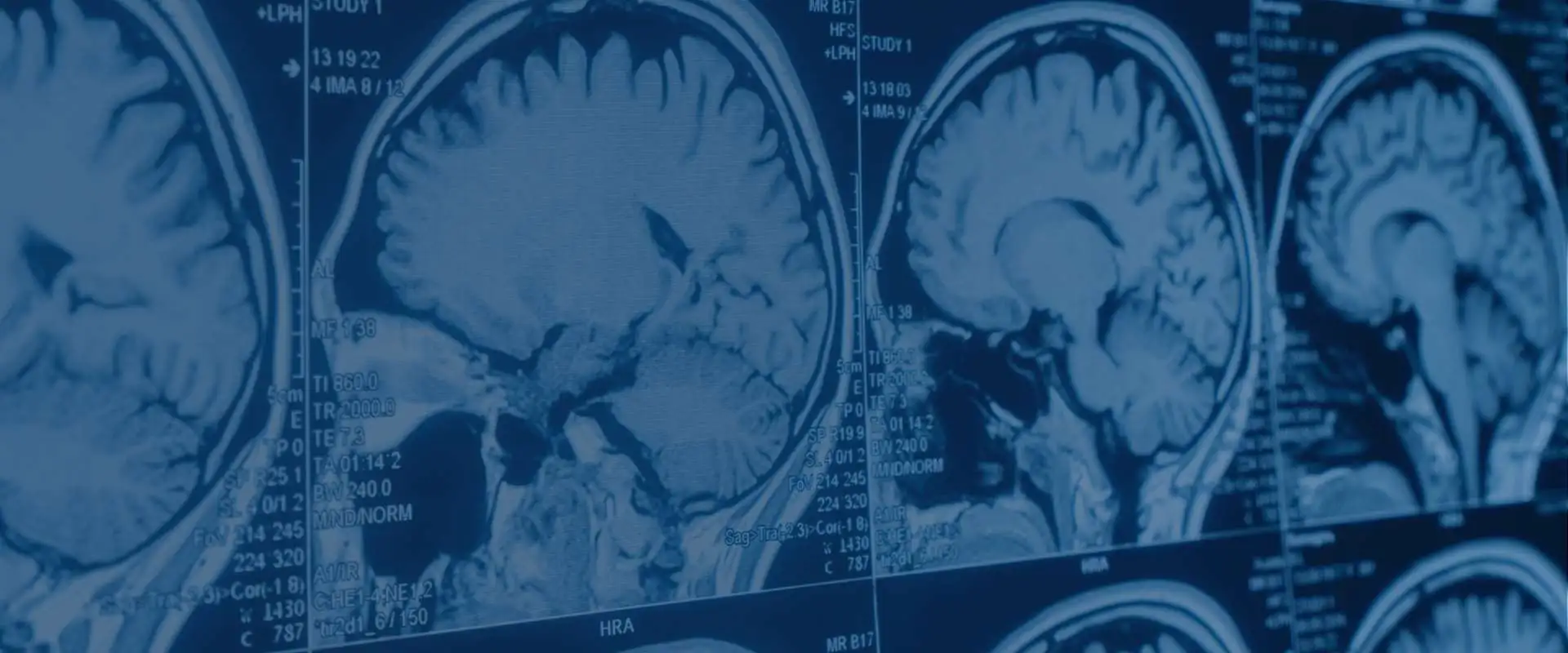
Research by Efrati and colleagues has shown that HBOT can induce neuroplastic changes months to years after injury. Imaging studies have demonstrated increased brain activity in areas that were previously underperforming.
Other studies have reported improvements in functional outcomes, including mobility and cognitive performance.
These findings challenge the idea that recovery is limited to a short window after stroke.
## What Patients Experience
At MD Hyperbaric, patients undergoing HBOT for stroke recovery often describe gradual but meaningful improvements.
These may include:
- Increased strength or control in affected limbs
- Improved balance and coordination
- Better speech clarity
- Enhanced cognitive function
The changes are typically progressive rather than immediate.
This reflects the nature of neuroplasticity, which occurs over time as the brain adapts and rebuilds connections.
## A Complement to Rehabilitation
It is important to understand that HBOT is not a replacement for traditional rehabilitation therapies.
Physical therapy, occupational therapy, and speech therapy remain essential components of recovery.
However, HBOT can enhance the effectiveness of these therapies by improving the brain’s capacity to respond.
When the underlying physiology is supported, rehabilitation efforts often become more productive.
## Expanding the Window for Recovery
One of the most important implications of hyperbaric oxygen therapy is that it may extend the window for recovery.
Instead of viewing stroke recovery as limited to the first few months, HBOT suggests that improvement may still be possible well beyond that timeframe. **[Hyperbaric oxygen has induced late neuroplasticity in post stroke patients](https://pubmed.ncbi.nlm.nih.gov/23335971/)** based on this randomized, prospective trial.
For patients who feel they have plateaued, this offers a different perspective.
Recovery may not be finished.
It may simply require a different approach.
## Moving Forward After a Stroke
Stroke recovery is deeply personal.
Each patient’s experience is different, and progress can vary widely. For those who continue to face challenges long after the initial event, exploring additional options can be an important step.
Hyperbaric **[oxygen therapy offers a way to support brain repair and stroke recovery](https://mdhyperbaric.com/conditions/neurological-and-neurodegenerative-conditions)** at a fundamental level.
By improving oxygen delivery, reducing inflammation, and promoting neuroplasticity, it helps create the conditions for continued recovery.
For many patients, that means regaining function, independence, and confidence.
And perhaps most importantly, it means recognizing that healing does not always have a fixed endpoint.
There is still potential for progress.
##### Supporting Research:
Efrati et al., 2013. HBOT induces neuroplasticity in post-stroke patients.
Boussi-Gross et al., 2013. Functional improvements after HBOT in stroke recovery.
[The Effect of Hyperbaric Oxygen Therapy on Functional Impairments Caused by Ischemic Stroke](https://onlinelibrary.wiley.com/doi/10.1155/2018/3172679)
[The efficacy of hyperbaric oxygen in hemorrhagic stroke: experimental and clinical implications](https://pmc.ncbi.nlm.nih.gov/articles/PMC5575217/#:~:text=In%20one%20study%20%5B15%5D%2C,in%20blood%20volume%20by%2061.45%25)
[Hyperbaric oxygen induces late neuroplasticity in post stroke patients--randomized, prospective trial](https://pubmed.ncbi.nlm.nih.gov/23335971/)
[A Dual Role for Hyperbaric Oxygen in Stroke Neuroprotection: Preconditioning of the Brain and Stem Cells](https://pmc.ncbi.nlm.nih.gov/articles/PMC6075658/)
[Hyperbaric Oxygenation as an Adjunct Therapy in Strokes Due to Thrombosis](https://www.ahajournals.org/doi/pdf/10.1161/01.STR.11.3.297#:~:text=Clinical%20experience%20gained%20so%20far,for%20patients%20with%20completed%20stroke.)

#### Reviewed by Elizabeth Chan, NP (Medical Director, MD Hyperbaric)
Elizabeth Chan, NP, serves as Medical Director at MD Hyperbaric and reviews educational content for clinical accuracy, patient safety, and clarity. She supports evidence-informed care planning for people exploring hyperbaric oxygen therapy for recovery, neurological symptoms, and wellness goals.
*Disclaimer: This article is for informational purposes only and does not constitute medical or insurance advice. Please consult a qualified healthcare provider for personal recommendations and check with your insurance company for current policy details.*
---
## Categories
- Blog
---
## Navigation
- [MD Hyperbaric](https://mdhyperbaric.com/)
## Tags
- brain healing
- HBOT
- hyperbaric therapy
- neurological conditions
- stroke
- stroke recovery
---
## Footer Links
- [SKT Doctor](https://www.sktthemes.org/shop/free-medical-clinic-wordpress-theme/)