---
# Faster Return to Play: How Athletes Use HBOT for Injury Recovery
**URL:** https://mdhyperbaric.com/blog/how-athletes-use-hbot-for-injury-recovery-and-faster-return-to-play
Date: 2026-05-07
Author: Jeff Lentz
Post Type: post
Summary: Injury recovery is often the difference between sitting out and staying competitive. Hyperbaric oxygen therapy is increasingly used by both elite and youth athletes to reduce inflammation, accelerate healing, and shorten return to play timelines. Here is how it works and what to expect.
Categories: Blog
Tags: autoimmune diseases, Crohn's, digestion, HBOT, IBD, Ulcerative Colitis
Featured Image: https://mdhyperbaric.com/wp-content/uploads/2026/05/Untitled-design-31.png
---
**Reviewed by: Elizabeth Chan, NP (Medical Director, MD Hyperbaric)**
In sports, recovery is everything. In the playoffs…? Do or die time.
The difference between a minor setback and a season-ending injury rarely comes down to the injury alone. It comes down to how the body heals. For athletes at every level, from youth competitors to professionals, recovery speed and quality directly impact performance, longevity, and confidence.
That is why hyperbaric oxygen therapy has become an increasingly valuable tool in sports medicine. Take it from current injured NBA Star Anthony Edwards of the Minnesota Timberwolves. Edwards and other noted athletes like Lebron James have used medical-grade **[HBOT in their sports injury rehab and recovery process](https://www.nytimes.com/athletic/7254183/2026/05/05/anthony-edwards-playoffs-timberwolves-spurs-knees-game-1/)** to get back on the court sooner. Edwards returned in game one in the second round matchup versus the Spurs after suffering a bone bruise and hyperextension in his left knee in the opening round against Denver.

At its core, healing is a biological process driven by oxygen. Every phase of recovery, from controlling inflammation to rebuilding tissue, depends on the body’s ability to deliver oxygen efficiently to injured areas. When that process is disrupted, healing slows. When it is optimized, recovery accelerates.
Hyperbaric oxygen therapy works by restoring and enhancing that process at a fundamental level.
## Why Injuries Slow Healing in the First Place
When an **[athlete gets injured](https://mdhyperbaric.com/conditions/athletic-recovery)**, whether it is a muscle strain, ligament sprain, bone fracture, or post-surgical repair, the body immediately initiates an inflammatory response. This is a necessary step in healing, but it also creates challenges.

Swelling increases pressure within the tissue. Blood vessels become compressed. Circulation is reduced.
The result is a paradox. The injured area needs more oxygen than normal to repair itself, but it is receiving less.
This is one of the primary reasons injuries can linger. Even in otherwise healthy athletes, localized oxygen deprivation slows down the cellular processes responsible for recovery
Fatigue, stiffness, and prolonged pain are often symptoms of this mismatch.
**[Hyperbaric oxygen therapy](https://mdhyperbaric.com/what-is-hbot)** is designed to correct it.
## How HBOT Changes the Healing Environment
During a hyperbaric session, the athlete breathes 100 percent oxygen in a pressurized chamber. Under these conditions, oxygen dissolves directly into the plasma, not just the red blood cells.

This allows oxygen to reach tissues that would otherwise be difficult to access due to injury-related swelling or compromised blood flow.
The increase in oxygen delivery is significant. Tissues receive several times the normal oxygen concentration, creating an environment where healing can occur more efficiently.
This shift impacts every stage of recovery.
## Reducing Inflammation Without Slowing Healing
In the early phase of injury, inflammation is necessary but can easily become excessive.
Too much swelling increases pain, restricts movement, and delays recovery. Traditional approaches often focus on suppressing inflammation entirely, but that can interfere with the body’s natural healing process.

HBOT takes a different approach.
It helps regulate inflammation rather than eliminate it. The pressurized oxygen environment causes mild vasoconstriction, which reduces swelling, while still delivering high levels of oxygen to the tissue.
This allows the body to continue repairing itself without the negative effects of excessive inflammation.
Athletes often notice this early. Pain begins to decrease. Range of motion improves. The injured area feels less restricted.
## Supporting Tissue Repair at a Cellular Level
As healing progresses, the body shifts into the repair phase. This is where oxygen becomes even more critical.
Oxygen is required for collagen synthesis, the process that rebuilds damaged ligaments, tendons, and muscle fibers. It is also essential for fibroblast activity, which helps form the structural framework of new tissue.
Without sufficient oxygen, this process is slower and less effective. Tissue may heal, but not with the same strength or integrity.
HBOT enhances this phase by ensuring that cells have the oxygen they need to function optimally.
It also promotes angiogenesis, the formation of new blood vessels. This improves long-term circulation in the injured area, making the tissue more resilient and less prone to re-injury.
For athletes, this distinction matters. Recovery is not just about getting back on the field. It is about returning at full capacity.
## Accelerating Recovery After Surgery
Surgical intervention is often necessary to repair structural damage, especially in high-level athletes. Procedures involving ligaments, joints, or fractures create controlled trauma in order to restore function.
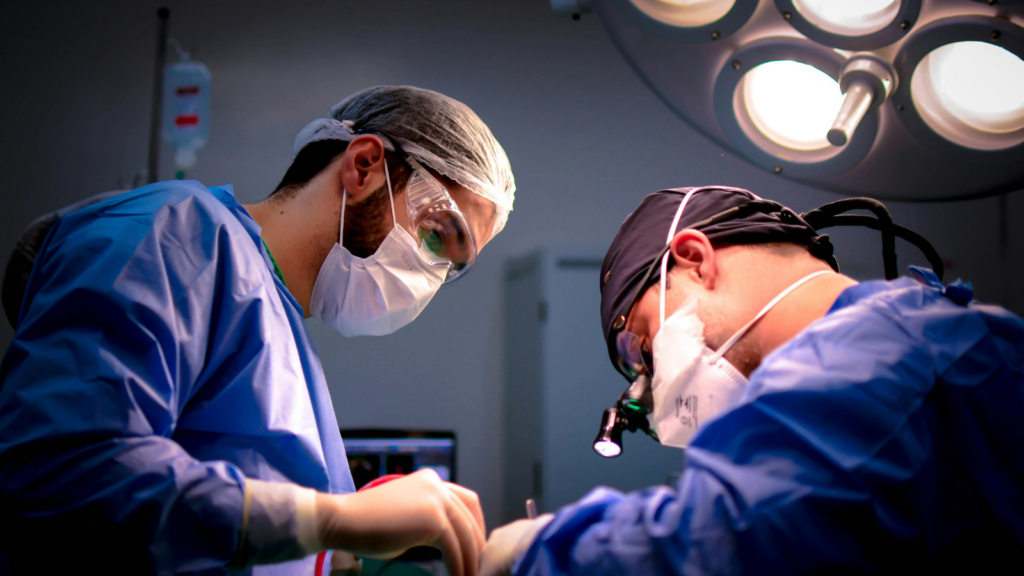
But surgery also initiates a new healing process, one that comes with inflammation, tissue damage, and increased metabolic demand.
**[HBOT supports post-surgical recovery](https://mdhyperbaric.com/conditions/recovery-from-surgery)** by improving oxygen delivery during this critical period.
This can lead to:
- Reduced post-operative swelling
- Lower risk of complications related to poor oxygenation
- Faster progression through rehabilitation phases
- Improved tissue integration and healing quality
In orthopedic settings, optimizing recovery after surgery can significantly impact long-term outcomes. The goal is not just healing, but restoring strength, mobility, and durability. Applying **[HBOT for orthopedic surgery recovery](https://mdhyperbaric.com/blog/hbot-for-orthopedic-surgery)** enables oxygen to help bones, tendons, and joints heal faster.
## Energy Production and Recovery Speed
Healing requires energy.
At the cellular level, that energy comes from mitochondria, which use oxygen to produce ATP. When oxygen availability is limited, ATP production decreases, and the healing process slows.
This is one reason athletes often feel unusually fatigued during injury recovery. The body is working harder but producing energy less efficiently.
HBOT helps restore this balance.
By increasing oxygen availability, it supports mitochondrial function and improves energy production. This allows cells to repair themselves more effectively and reduces the overall strain on the body.
**[Athletes often describe this as a noticeable shift](https://mdhyperbaric.com/blog/how-hbot-helps-you-recover-from-workouts-faster-and-improve-athletic-performance)**. Recovery feels less draining. Progress becomes more consistent.
## Neurological Recovery and Coordination
Injury does not only affect the body. It also impacts the nervous system and brain health.
Pain, inflammation, and reduced activity can disrupt neuromuscular coordination. Athletes may feel a loss of control or precision, even after the tissue itself has healed. **[Concussions and Traumatic Brain Injuries](https://mdhyperbaric.com/conditions/concussions-tbis)** can have even more devastating short and long term effects
HBOT has been shown to support brain function by improving oxygen delivery and reducing neuroinflammation.

This can help restore motor control, reaction time, and coordination, all of which are critical for safe return to play.
For athletes, this is often the difference between being physically healed and being truly ready to compete.
## Real-World Recovery Timelines
At **[MD Hyperbaric](https://mdhyperbaric.com/locations)**, we see consistent patterns in athletes who incorporate HBOT into their recovery protocols.
Compared to standard recovery approaches, they often experience:
- Shorter overall downtime
- Faster reduction in pain and swelling
- More steady, predictable progress
- Greater confidence during return to play
This applies across age groups and skill levels.
Youth athletes benefit from faster healing and reduced risk of long-term complications. Adult athletes often notice improved recovery not just from injury, but between training sessions as well.
The goal is not to rush healing, but to support it so that it happens as efficiently and completely as possible.
## A Smarter Approach to Recovery
Recovery has evolved.
It is no longer just about rest, ice, and waiting. It is about understanding the biology of healing and creating the right conditions for the body to repair itself.
Hyperbaric oxygen therapy does exactly that.
By increasing oxygen delivery, regulating inflammation, supporting tissue repair, and improving energy production, it addresses the root factors that determine how quickly and how well an athlete recovers.
For those looking to return to play stronger, not just sooner, that difference matters.
Oxygen is not an add-on to recovery.
It is the foundation that makes recovery possible.
##### Supporting Research:
Boussi-Gross et al., 2013. HBOT improves tissue regeneration and reduces inflammation in musculoskeletal injuries.
Hadanny & Efrati, 2020. Hyperbaric oxygen therapy enhances recovery through angiogenesis and mitochondrial function.
Staples & Clement, 2022. Oxygen therapy in sports recovery and injury repair.

#### Reviewed by Elizabeth Chan, NP (Medical Director, MD Hyperbaric)
Elizabeth Chan, NP, serves as Medical Director at MD Hyperbaric and reviews educational content for clinical accuracy, patient safety, and clarity. She supports evidence-informed care planning for people exploring hyperbaric oxygen therapy for recovery, neurological symptoms, and wellness goals.
*Disclaimer: This article is for informational purposes only and does not constitute medical or insurance advice. Please consult a qualified healthcare provider for personal recommendations and check with your insurance company for current policy details.*
---
## Categories
- Blog
---
## Navigation
- [MD Hyperbaric](https://mdhyperbaric.com/)
## Tags
- autoimmune diseases
- Crohn's
- digestion
- HBOT
- IBD
- Ulcerative Colitis
---
## Footer Links
- [SKT Doctor](https://www.sktthemes.org/shop/free-medical-clinic-wordpress-theme/)