
Hyperbaric Oxygen Therapy (HBOT) for Oral & Maxillofacial Surgery: Enhancing Healing, Reducing Risk, and Improving Outcomes
Reviewed by: Elizabeth Chan, NP (Medical Director, MD Hyperbaric)
In modern oral and maxillofacial surgery, achieving predictable healing outcomes can be challenging, especially in patients with compromised tissue, prior radiation exposure, or chronic health conditions. Today, hyperbaric oxygen therapy (HBOT) is emerging as a powerful adjunctive treatment that supports surgical success, improves tissue healing, and reduces complications.For dental professionals and patients alike, integrating hyperbaric oxygen therapy for oral surgery offers a science-backed approach to optimizing recovery, particularly in high-risk cases.
What Is Hyperbaric Oxygen Therapy (HBOT)?
Hyperbaric oxygen therapy (HBOT) involves breathing 100 percent oxygen in a pressurized environment. This process dramatically increases oxygen delivery to tissues, enhancing cellular function and accelerating the body’s natural healing processes.
In oral and maxillofacial surgery, HBOT is especially valuable in cases where tissue hypoxia, poor vascularity, or impaired healing increase the risk of complications.
By increasing plasma oxygen levels, HBOT supports:
- Angiogenesis, or new blood vessel formation
- Bone remodeling and regeneration
- Immune response and infection control
- Collagen production and tissue repair
These effects are critical for successful outcomes in complex dental and surgical procedures.
Why HBOT Matters in Oral & Maxillofacial Surgery
Oral surgery procedures such as dental implants, bone grafting, extractions, and reconstructive surgery rely heavily on adequate blood flow and oxygen supply. When these conditions are compromised, healing can be delayed or incomplete.
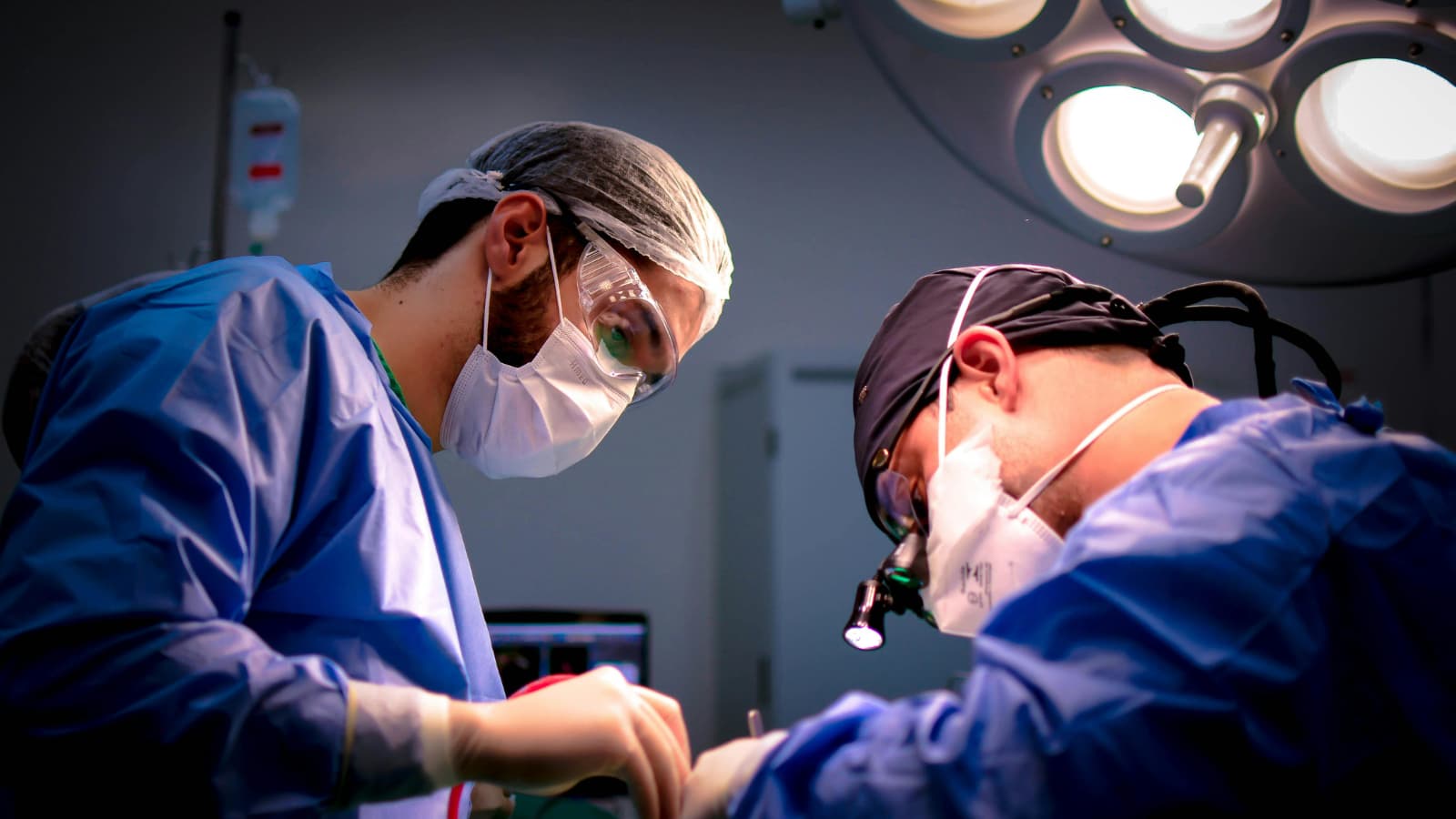
HBOT directly addresses these challenges by improving oxygen gradients in tissue and enhancing microcirculation. HBOT increases angiogenesis, osteoblast activity, fibroblast proliferation, and collagen synthesis, all of which are essential for bone and soft tissue healing.
This makes hyperbaric oxygen therapy for dental surgery an important consideration for improving surgical reliability and patient outcomes.
4 Key Indications for HBOT in Oral Surgery
1. Osteoradionecrosis (ORN) Prevention and Treatment
One of the most established uses of HBOT in oral and maxillofacial surgery is for osteoradionecrosis of the jaw, a condition caused by radiation-induced damage to bone.
HBOT promotes neovascularization, improves oxygenation in irradiated tissue, and supports bone healing. Standard protocols often include pre- and post-operative HBOT sessions to reduce complications.
2. Dental Implants and Bone Grafting in Compromised Patients
Patients with a history of radiation, smoking, diabetes, or vascular disease often face higher risks of implant failure or poor graft integration.
HBOT enhances osteoblast activity, supports collagen deposition, and improves local immune defense, making it an effective adjunct for:
- Bone grafting and augmentation
- Dental implants in irradiated bone
- Sinus lift procedures
3. Medication-Related Osteonecrosis of the Jaw (MRONJ)
Patients taking bisphosphonates or similar medications may experience impaired bone healing and increased risk of necrosis.
HBOT has shown promise in:
- Reducing progression of necrotic lesions
- Improving mucosal healing
- Supporting infection control
4. Post-Surgical Complications and Wound Healing
Delayed healing, infection, or wound dehiscence can significantly impact patient outcomes after oral surgery.
HBOT enhances:
- Oxygen-dependent bacterial killing by leukocytes
- Tissue oxygenation in inflamed or swollen surgical sites
- Collagen strength and wound closure
This makes HBOT for post-surgical dental healing a valuable option when standard recovery is compromised.
How HBOT Improves Healing at the Cellular Level
The effectiveness of hyperbaric oxygen therapy lies in its ability to influence multiple biological processes simultaneously.
HBOT:
- Increases angiogenesis in hypoxic tissue
- Stimulates osteoblasts for bone regeneration
- Enhances fibroblast activity for soft tissue repair
- Reduces edema without compromising oxygen delivery
- Improves leukocyte function for infection control
These combined effects create an optimal healing environment, particularly in complex oral and maxillofacial procedures.
When Should Oral Surgeons Consider HBOT?
HBOT is not a replacement for surgery, but a powerful adjunct that enhances results when integrated into a treatment plan.
HBOT should be considered in patients with:
- Prior head and neck radiation
- Established osteoradionecrosis or MRONJ
- Recurrent wound breakdown or delayed healing
- High-risk implant or graft procedures
- Comorbidities such as diabetes or vascular disease
At MD Hyperbaric, care is coordinated directly with oral surgeons to ensure treatments align with surgical timelines and patient needs.
A Collaborative Approach to Better Surgical Outcomes
One of the key advantages of working with MD Hyperbaric is the structured, protocol-driven approach to care. Patients undergo thorough medical screening, and treatment plans are tailored to support both pre-operative and post-operative healing.
HBOT is designed to function as an adjunctive therapy, enhancing surgical reliability while maintaining clear communication with the referring provider. This collaborative model ensures that patients receive comprehensive care that addresses both the procedure and the healing process.
The Future of Oral Surgery Is Integrative
As regenerative and supportive therapies continue to evolve, hyperbaric oxygen therapy for oral and maxillofacial surgery is becoming an essential tool for improving patient outcomes.
By increasing oxygen delivery, enhancing tissue repair, and supporting bone regeneration, HBOT helps clinicians overcome some of the most challenging aspects of surgical healing.
For patients and providers seeking better outcomes, fewer complications, and faster recovery, integrating hyperbaric oxygen therapy into oral surgery protocols represents a forward-thinking, evidence-based approach to care.
If you are an oral surgeon or dental provider looking to improve surgical outcomes, or a patient exploring advanced healing options, HBOT offers a powerful solution grounded in both science and clinical experience.
Supporting Research
HBOT as a Potential Adjunctive Therapy for Wound Healing in Oral & Maxillofacial Surgery
https://www.ncbi.nlm.nih.gov/pmc/articles/PMC12842553
Undersea & Hyperbaric Medical Society (UHMS) recognizes HBOT for ORN Evidence Supporting the Use of Hyperbaric Oxygen Therapy in ORN
https://www.joms.org/article/S0278-2391%2810%2900133-3/abstract
Maxillofacial review (Canadian Dental Association) Hyperbaric Oxygen Therapy for Head & Neck Irradiated Patients (ORN focus)
https://oralcancerfoundation.org/wp-content/uploads/2021/03/g24_0.pdf
HBOT & implant survival post-radiation Hyperbaric Oxygen Therapy for Dental Implants in Irradiated Patients
https://www.sciencedirect.com/science/article/abs/pii/S0266435620304411
HBOT Effectiveness of Hyperbaric Oxygen Therapy in Irradiated Maxillofacial Patients
https://www.ncbi.nlm.nih.gov/pmc/articles/PMC5450897
HBOT in MRONJ Management of Medication-Related Osteonecrosis of the Jaw (MRONJ) https://www.ncbi.nlm.nih.gov/pmc/articles/PMC11537256/
HBOT as a Potential Adjunctive Therapy for Wound Healing in Dental Surgery
https://www.researchgate.net/publication/399681265_HBOT_as_a_Potential_Adjunctive_Ther
apy_for_Wound_Healing_in_Dental_Surgery-A_Narrative_Review
Disclaimer: This article is for informational purposes only and does not constitute medical or insurance advice. Please consult a qualified healthcare provider for personal recommendations and check with your insurance company for current policy details.
Still Have Questions?
Questions About HBOT? Let's Chat
Book your free 15-minute discovery call today.
What Our Patients Say
Real Patients. Real Results
 Post-Surgical Recovery
“Getting HBOT helped me a lot with my wound healing. I noticed my scars remarkably lightened. My mood and energy levels improved as well in just three weeks of getting two sessions each week — despite my demanding work schedule, I felt like I had more energy.”Namae
 Inflammatory Bowel Disease
“I was prescribed HBOT by my specialist to treat a complex and traumatic issue stemming from IBD and reconstructive GI surgeries. I did a full course and absolutely saw improvement right away. The staff are amazing, very professional and caring.”Kathleen
 Injury Recovery
“I broke my wrist playing tennis and came to MD Hyperbaric Westchester to help speed up my recovery. After a few sessions I have felt a tremendous improvement in energy, sleep — and my doctor says my wrist is healing remarkably well.”John
 Cancer Adjunct
“I'm a breast cancer survivor, and after radiation near my lungs, I thought this treatment might be useful. I can feel a difference in my breathing and cognition. I definitely recommend it if your body has gone through a traumatic experience.”Aziza
 Wellness
“I recently began using Hyperbaric Oxygen Therapy at MD Hyperbaric, and it's been one of the most unique and impactful wellness treatments I've explored. I was drawn in by the potential benefits for anxiety, fatigue, and overall cellular repair, but I didn't expect it to feel this restorative — and my skin is glowing too!”Olesia
MD Hyperbaric Is Rapidly Expanding
Find Your Nearest HBOT Center
Before Your First Visit
Frequently Asked Questions
Hyperbaric Oxygen Therapy (HBOT) is a proven treatment that enhances healing by flooding the body with oxygen. Used for over 100 years, it supports brain health, anti-aging, athletic recovery, and medical conditions by boosting oxygen in blood, tissues, and organs. Patients breathe 100% oxygen in a pressurized chamber, accelerating recovery and promoting cellular repair.
HBOT is FDA-approved for 14 conditions like burns, carbon monoxide poisoning, and non-healing wounds. Emerging research also supports its use for post-surgical recovery, brain injury, fatigue, inflammation, athletic recovery, and anti-aging. Our medical team will assess if HBOT is right for you.
Yes, HBOT is safe when properly supervised. At MD Hyperbaric, treatments are protocol-driven, medically overseen, and administered by certified staff. Our Medical Director and onsite Safety Director ensure every session is carefully monitored, and we continuously update our protocols based on the latest research to prioritize patient safety.
Typically, most treatment sessions are approximately 60 minutes, though some conditions may require up to 90 or 120 minutes. Pressurization and depressurization may add about 20 minutes to the appointment, so you should plan for about 90 minutes for your visit.
The number of sessions depends on the condition being treated. Some patients may benefit from a few sessions, while others may require a more extended treatment plan. A typical protocol will involve 10-40 daily sessions to build up oxygen in the cells. Our Medical Director will recommend a specific treatment plan to address your goals and needs.
Prior to treatment, please try to avoid alcohol or carbonated drinks. It is best to avoid smoking and other tobacco products during your treatment period, as they may interfere with the body's ability to transport oxygen. Otherwise, there are no restrictions for food or activity before or after your treatment. We encourage you to have healthy meals and stay hydrated.
Most patients find HBOT sessions relaxing. You will rest comfortably in a 7.5-foot-long steel chamber, breathing 100% pure oxygen through a mask. During pressurization and depressurization, you may feel pressure changes similar to airplane travel. A trained technician will monitor you throughout the session.
The term "dive" is used because the process simulates the experience of a deep-sea dive in a pressurized environment. Hyperbaric Oxygen Therapy has deep roots in diving as an important therapy for treating divers experiencing decompression sickness.
At MD Hyperbaric, we use the FDA-cleared OxyHealth Fortius420, a spacious hard-shell chamber delivering 100% medical-grade oxygen via mask. It operates up to 3.0 ATA, allows tailored pressures, supports air breaks, and includes three windows for comfort and safety.
At MD Hyperbaric, we use hard-shell chambers that deliver 100% medical-grade oxygen at higher pressures for superior therapeutic benefits. Soft-shell chambers operate at lower pressures without medical-grade oxygen, making them less effective for medical treatment.
Our team will assess your medical history and specific circumstances through an intake process. An initial evaluation with certified staff and the Medical Director will determine your eligibility for HBOT.
No referral is needed. Our Medical Director will review your intake forms and prescribe HBOT if appropriate. If you have a prescription from a provider, we will coordinate with them. For serious health conditions, we may recommend getting clearance from your physician.
Some MD Hyperbaric centers accept insurance for certain on-label conditions — the FDA-recognized indications for which HBOT is an established standard of care. Whether insurance applies depends on your diagnosis, your plan, and the center you visit, so please contact your local center to confirm. Where insurance does not apply, HBOT is a self-pay treatment: most FSA/HSA plans allow reimbursement, and we can provide a superbill and receipt to help you submit a claim.
It depends on how you pay. For insurance-covered treatment at participating centers, your cost depends on your plan's deductible, copay, and coinsurance — the center verifies your benefits and explains expected costs before treatment begins. For self-pay treatment, we offer a variety of pricing options designed to suit different medical and financial needs, including pay-as-you-go and package options at reduced rates when purchased upfront. Please contact us to discuss pricing and options. We accept cash, credit, or check.