
Resources
MD Hyperbaric Health & Wellness Blog
Explore expert insights, HBOT benefits, patient stories, and wellness tips to enhance your health and recovery on the MD Hyperbaric blog.
Latest insights
Discover Expert Insights on Hyperbaric Oxygen Therapy (HBOT)
Explore the latest blog articles from the medical team at MD Hyperbaric, covering a wide range of topics including the benefits of hyperbaric oxygen therapy, treatment protocols, patient success stories, and emerging research in regenerative medicine. Whether you’re managing chronic conditions, seeking advanced recovery solutions, or simply curious about HBOT, our health and wellness blog offers trusted information designed to support your healing journey.

Why Recovery Changes as We Age
How increased oxygen may support energy, clarity, circulation and recovery as part of a broader healthy-aging plan.
Read article
The Injury Healed. So Why Does It Still Hurt?
Pain can continue after an injury has healed. Learn why pain signals may stay turned up and what a 2026 systematic review found about HBOT for selected chronic pain syndromes.
Read article
The NFL's Brain Injury Problem and How HBOT May Help
A 2026 BMJ study estimated how common CTE may be among former NFL players. Learn what the findings mean and where HBOT research fits after concussion or TBI.
Read article
Lyme Disease: What You Need to Know
What to do after a tick bite, what the CDC says about prolonged symptoms after Lyme disease, and where medically supervised HBOT may enter the conversation.
Read article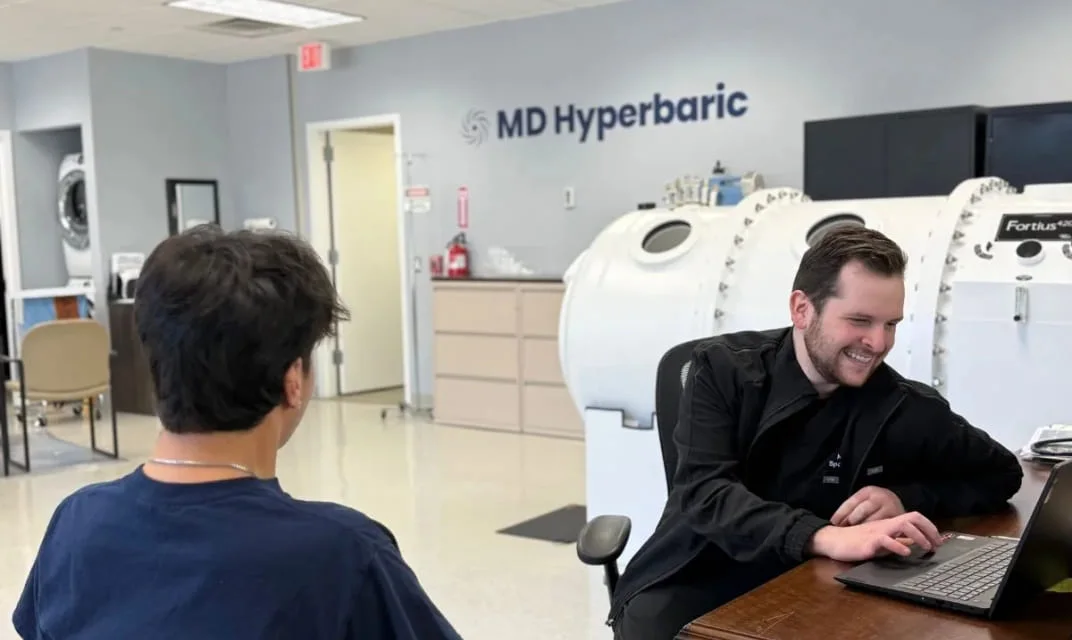
More Than Oxygen: Why Pressure Makes HBOT Work
A plain-English explanation of what pressure changes inside a hyperbaric chamber and why oxygen can reach the body differently during HBOT.
Read article
You Slept 8 Hours. Did You Recover?
A 2026 study measured sleep quality before and after a course of HBOT. Here is what changed, what the study could not prove, and why recovery is broader than hours slept.
Read article
What Oxygen Can Do for a Recovering Brain
Persistent symptoms can continue long after a concussion. Learn what a controlled study found about HBOT more than a year after mild traumatic brain injury.
Read article
HBOT for Stroke Recovery: Supporting Brain Repair and Function
Stroke recovery often plateaus, leaving patients searching for additional options. Hyperbaric oxygen therapy has shown potential in improving brain repair and restoring function even months or years after injury.
Read article
Hyperbaric Oxygen Therapy for Lyme Disease: A New Approach to Chronic Symptoms
Lyme disease can persist long after initial infection, leaving patients with fatigue, brain fog, and chronic pain. Hyperbaric oxygen therapy offers a supportive approach by improving oxygen delivery and helping regulate inflammation at the cellular level.
Read article
HBOT for Athletic Performance: Train Harder and Recover Faster
Performance is not just about training harder. It is about recovering smarter. Hyperbaric oxygen therapy supports energy production, reduces fatigue, and helps athletes maintain consistency throughout intense summer training cycles.
Read article
Hyperbaric Therapy for Tendon and Bone Healing: Faster Recovery
Tendon injuries, ligament damage, and bone fractures are notoriously slow to heal because these tissues receive limited blood flow and oxygen. Hyperbaric oxygen therapy (HBOT) helps address this challenge by dramatically increasing oxygen delivery at the cellular level, supporting collagen production, tissue repair, circulation, and recovery. Discover how HBOT may help accelerate tendon healing, bone regeneration, and soft tissue recovery for more complete long-term healing outcomes.
Read article
Hyperbaric Oxygen Therapy, PRP Therapy, and Stem Cell Therapy: A Powerful Combination for Faster Healing
Patients today are increasingly turning to regenerative medicine to heal injuries without surgery. Treatments like PRP therapy, stem cell therapy, and hyperbaric oxygen therapy (HBOT) are changing how recovery happens at the cellular level. When combined, these therapies may accelerate tissue repair, reduce inflammation, and support faster healing outcomes for sports injuries, orthopedic conditions, chronic wounds, and more.
Read article
Faster Return to Play: How Athletes Use HBOT for Injury Recovery
Injury recovery is often the difference between sitting out and staying competitive. Hyperbaric oxygen therapy is increasingly used by both elite and youth athletes to reduce inflammation, accelerate healing, and shorten return to play timelines. Here is how it works and what to expect.
Read article
Spring Flares and Chronic Fatigue: How HBOT Helps You Get Your Life Back
Spring can worsen chronic fatigue, bringing more pain, brain fog, and exhaustion. This article explains why seasonal changes trigger flares—and how HBOT helps restore energy at the cellular level so you can start feeling like yourself again.
Read article
HBOT for Gut Healing: Why Oxygen Helps With Crohn’s, Ulcerative Colitis, and IBD
MD Hyperbaric explains how hyperbaric oxygen therapy (HBOT) may help Crohn’s disease, ulcerative colitis, and IBD by reducing inflammation and supporting gut healing.
Read article
HBOT for Autism Spectrum Disorder and Parkinson’s Disease: Exploring the Evidence
Learn how hyperbaric oxygen therapy (HBOT) may support autism and Parkinson’s. MD Hyperbaric reviews the latest research on brain health, inflammation, and symptom improvement.
Read article
How HBOT Calms Autoimmune Flares: What the Science Says
Autoimmune flares can feel unpredictable, especially during seasonal transitions. This article breaks down the science behind hyperbaric oxygen therapy (HBOT) and how it may help regulate immune response, reduce inflammatory cytokines, and support recovery in conditions like rheumatoid arthritis, lupus, and multiple sclerosis.
Read article
Hyperbaric Oxygen Therapy (HBOT) for Oral & Maxillofacial Surgery: Enhancing Healing, Reducing Risk, and Improving Outcomes
For dental professionals and patients alike, integrating hyperbaric oxygen therapy for oral surgery offers a science-backed approach to optimizing recovery, particularly in high-risk cases.
Read article
Your Inflammation Survival Guide: How HBOT Supports Healing at the Cellular Level
Hyperbaric oxygen therapy (HBOT) improves oxygen delivery at the cellular level, supporting the body’s ability to move from inflammation into true repair. At MD Hyperbaric, we focus on this transition point because it is where surgical outcomes are strengthened or compromised.
Read article
HBOT for Complex Wounds: What Makes It So Effective?
Hyperbaric oxygen therapy (HBOT) is widely used in medical wound care because it directly targets that oxygen limitation. In a hyperbaric chamber, patients breathe 100% oxygen in a pressurized environment. The increased pressure helps the blood carry more oxygen, especially to injured tissues, and can support immune function that helps protect against infection.
Read article
Why Plastic Surgeons Recommend HBOT Pre and Post Surgery: Better Results, Faster Healing
Hyperbaric oxygen therapy (HBOT) is increasingly used as a supportive tool in plastic surgery recovery because it targets one of the most important ingredients for repair: oxygen. In a hyperbaric chamber, patients breathe near-100% oxygen in a pressurized environment. That pressure allows more oxygen to dissolve into the bloodstream and reach tissues that can be oxygen-starved due to swelling or disrupted microcirculation. Major clinical resources describe HBOT’s role in increasing oxygen delivery to injured tissues and supporting the body’s ability to protect against infection.
Read article
HBOT for Orthopedic Surgery: How Oxygen Helps Bones, Tendons & Joints Heal
Hyperbaric oxygen therapy (HBOT) is far more than a luxury health, performance and recovery method for elite athletes and celebrities. It is becoming a mainstream component of orthopedic surgery recovery plans, especially for those looking to reduce healing time without compromising outcomes. From ACL tears and rotator cuff repairs to spinal procedures, HBOT addresses the underlying biological needs of healing tissues by providing oxygen levels far beyond what normal breathing can achieve.
Read article
Future-Proofing Your Brain: How Oxygen Therapy Supports Long-Term Cognitive Health
Explore how hyperbaric oxygen therapy may support long-term cognitive health, brain fog relief, processing speed, and brain resilience through oxygen delivery.
Read article
Migraine Relief With HBOT: What Patients Report and What Studies Show
Hyperbaric oxygen therapy can offer meaningful support for those who are experiencing migraines based on patient reports and studies.
Read article
MD Hyperbaric Announces Dr. Jason Sonners as Chief Clinical Officer and Dave Globig as Chief Strategy Officer
MD Hyperbaric proudly announces two major additions to its executive leadership team: Dr. Jason Sonners has joined as Chief Clinical Officer (CCO), and Dave Globig has joined as Chief Strategy Officer (CSO).
Read article
Why Oxygen Is the Missing Link in Neuropathy Recovery
Hyperbaric oxygen therapy can offer meaningful support for patients struggling with symptoms from neuropathy through improved tissue oxygenation.
Read article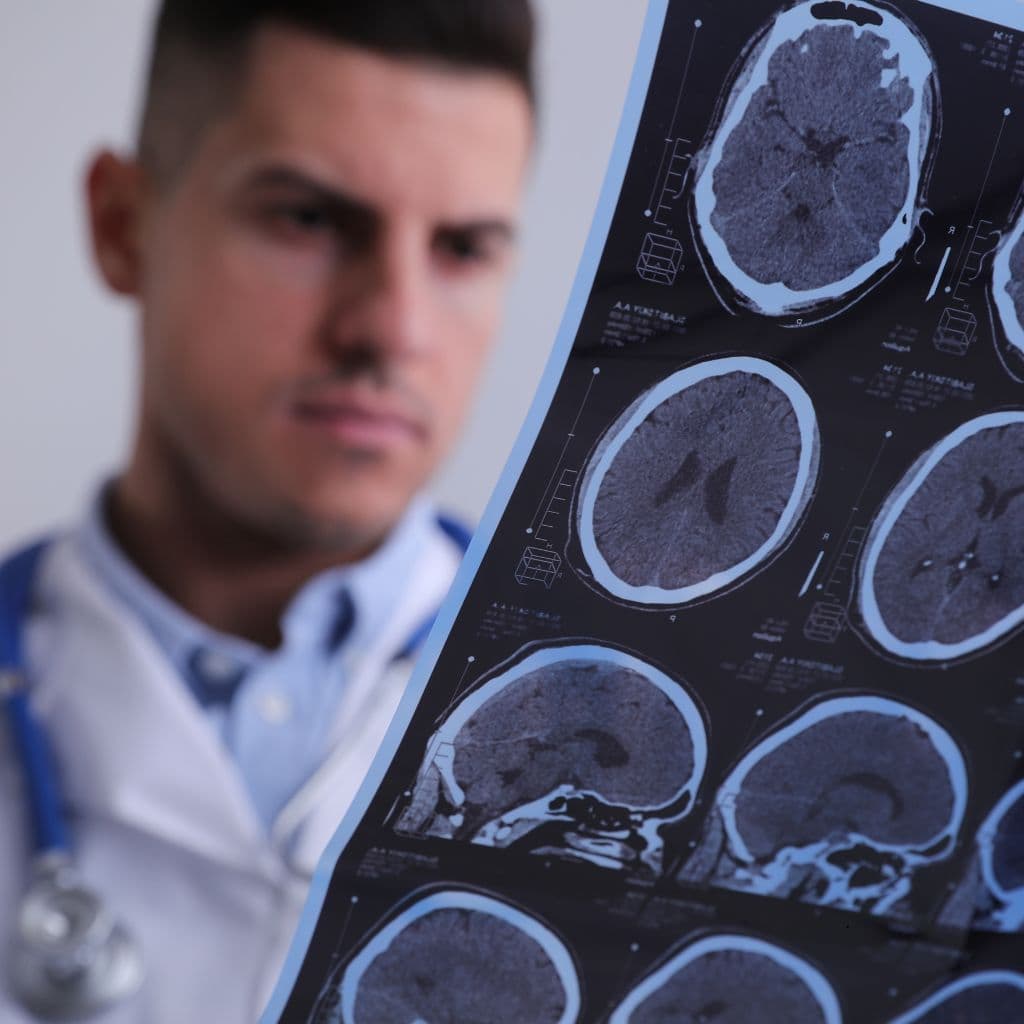
Can HBOT Help Concussion Recovery? What the Latest Research Shows
Hyperbaric Oxygen Therapy is not a magic fix, and it should not be positioned as one. But the therapy continues to earn attention because it targets underlying physiology that matters in concussion recovery: oxygen availability, inflammation, cerebral blood flow, and neuroplasticity.
Read article
How HBOT Helps You Recover from Workouts Faster and Improve Athletic Performance
Hyperbaric Oxygen Therapy, or HBOT, has become a valuable recovery tool for both competitive athletes and fitness-focused individuals. By improving oxygen delivery, reducing inflammation, and supporting cellular energy production, HBOT helps the body recover more efficiently from physical stress.
Read article
Improving Mental Clarity and Cognitive Performance in 2026: Brain Fog Causes, Fixes & How HBOT Helps
Brain fog has become one of the most common and frustrating health complaints of the modern era. In 2026, more people than ever report feeling mentally slow, unfocused, forgetful, or mentally fatigued despite sleeping enough and trying to live healthy lives. Brain fog is not a formal medical diagnosis, but it is a very real experience. It affects productivity, mood, decision-making, and overall quality of life. For some, it appears after illness or stress. For others, it develops gradually with age, inflammation, or burnout.
Read article
HBOT for Longevity: The Science Behind Aging Better, Not Faster
Hyperbaric oxygen therapy is used to support anti-aging, mental clarity, inflammation reduction, and physical recovery by addressing health at its foundation. Oxygen delivery at the cellular level.
Read article
Your 2026 Wellness Reset: How HBOT Supports Whole-Body Healing
Hyperbaric oxygen therapy can offer meaningful support during the holiday season. Improve energy, enhance stress resilience, and help your body recover from the extra strain the holidays bring.
Read article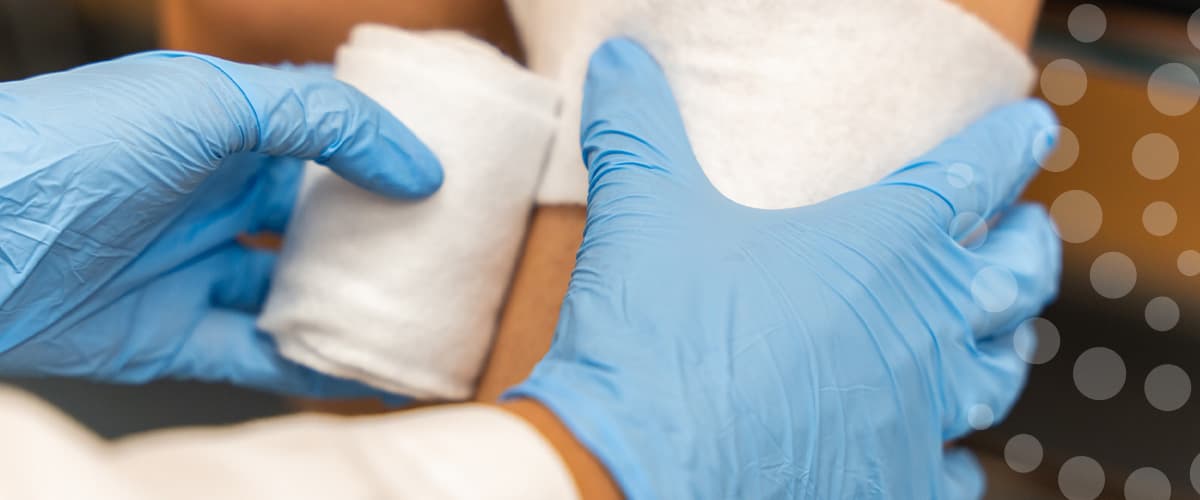
Hyperbaric Oxygen Therapy for Healing Wounds
Hyperbaric oxygen therapy (HBOT) is a noninvasive and effective way to accelerate your wound recovery. Learn more about oxygen therapy for healing wounds.
Read article
Why Post-Holiday “Crash Mode” Happens and How HBOT Can Reset You
Hyperbaric Oxygen Therapy is an effective way to help recalibrate energy levels, immune function, cognitive clarity, and inflammation. More people are discovering that Hyperbaric Oxygen Therapy offers a supportive way to restore energy, improve healing, and maintain wellness throughout the holidays. HBOT increases the body’s available oxygen, which can enhance physical recovery, support immune health, and help reduce inflammation.
Read article
Long COVID Recovery Using Hyperbaric Oxygen Therapy: What Recent Research Reveals
For individuals seeking a more comprehensive approach, many are now exploring HBOT for Long COVID. Hyperbaric Oxygen Therapy is a noninvasive treatment that raises oxygen levels in the body and may support deeper healing processes. Early studies suggest promising results for energy, cognition, inflammation, and general well-being.
Read article
Holiday Fatigue Is Real — Here’s How HBOT Helps Your Body Bounce Back
Hyperbaric oxygen therapy can offer meaningful support during the holiday season. Improve energy, enhance stress resilience, and help your body recover from the extra strain the holidays bring.
Read article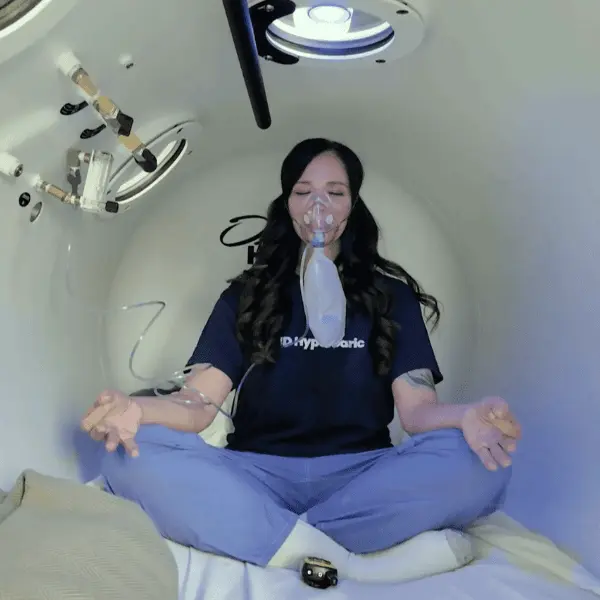
Why HBOT Works Best in Series: Understanding Treatment Protocols and How the Number of Sessions Impacts Your Results
Learn why HBOT is most effective when completed consistently in a series of 10, 20 or 40 100% oxygen therapy sessions.
Read article
The Top 10 Conditions MD Hyperbaric Supports With Hyperbaric Oxygen Therapy (HBOT)
Learn more about the Top 10 Conditions HBOT helps patients with including surgical recovery, concussions/TBI, athletic injuries, Long COVID, Lyme, oncology, chronic conditions, wellness and performance, among many others.
Read article
How to Use Your FSA & HSA to Pay for HBOT: A Complete Guide
Your complete guide to FSA and HSA payments for HBOT, what’s covered, what you need to document and why now might be the best time to invest in your health.
Read article
Concussion Treatment Options: Why Hyperbaric Oxygen Therapy (HBOT) Is Gaining Attention
Hyperbaric Oxygen Therapy (HBOT) is gaining attention as a supportive option for people with lingering concussion symptoms. While most recover with standard care, some face persistent issues, and HBOT is becoming a promising addition to the recovery conversation.
Read article
What Does a Typical Hyperbaric Oxygen Therapy (HBOT) Session Feel Like?
New to HBOT? This guide walks you through what a typical HBOT session feels like—from medical screening and entering the chamber to breathing oxygen under pressure—so you know exactly what to expect before your first visit.
Read article
Is Hyperbaric Oxygen Therapy (HBOT) Covered by Insurance?
Yes — MD Hyperbaric now accepts insurance, including Medicare, for on-label HBOT conditions at participating centers. Here’s how coverage works, what qualifies, and what to do if your condition is off-label.
Read article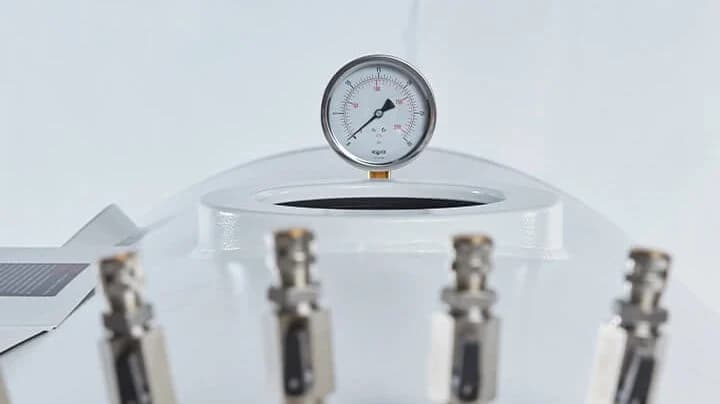
How Often Should You Do Hyperbaric Oxygen Therapy?
This comprehensive guide is here to give you the best possible advice on the frequency of hyperbaric oxygen therapy sessions.
Read article
The Role of HBOT in Helping with Traumatic Brain Injuries
Traumatic Brain Injuries (TBIs) can have lasting effects, but new hope is emerging. Hyperbaric Oxygen Therapy (HBOT) is showing promise as a supportive treatment by enhancing oxygen delivery to injured brain tissue. In this article, we explore how HBOT may aid recovery from TBIs and share real-life insights from patients treated at MD Hyperbaric.
Read article
Is Hyperbaric Oxygen Therapy Safe for Children? Exploring Pediatric HBOT
In this article, we delve into Pediatric HBOT. its potential applications, and safety considerations.
Read article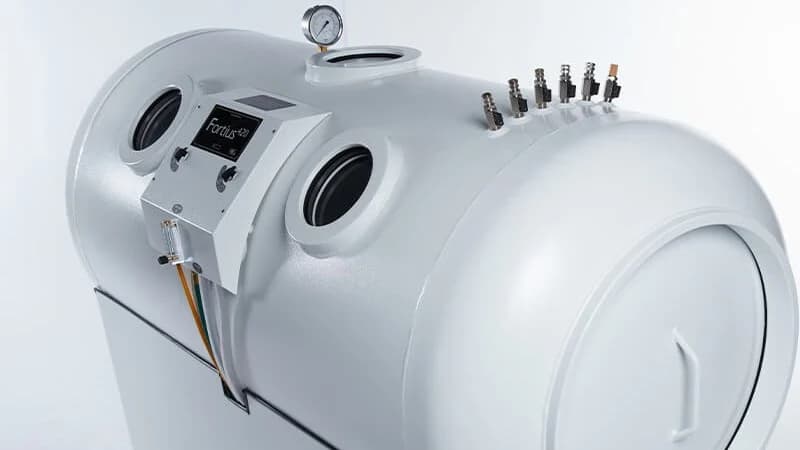
Exploring the Impact of HBOT on Mental Health Conditions
This article delves into the role of HBOT in helping with various mental health conditions.
Read article
Hyperbaric Oxygen Therapy for Fibromyalgia: A New Study
New study shows hyperbaric oxygen therapy (HBOT) effectively reduces fibromyalgia symptoms, offering significant relief.
Read article
Hyperbaric Oxygen Therapy for PTSD: Efficacy and Treatment Plan
Hyperbaric Oxygen Therapy (HBOT) for PTSD: Efficacy and Dosage Analysis Posttraumatic Stress Disorder (PTSD) can be a debilitating condition, often resulting from traumatic events. Traditional treatments include psychotherapy and medications, but recent studies suggest that Hyperbaric Oxygen Therapy (HBOT) could be a powerful ally in combating PTSD. Let’s dive into a recent systematic review that explores HBOT’s efficacy in treating PTSD and the optimal dosages for achieving the best results. Understanding Hyperbaric Oxygen Therapy (HBOT) HBOT involves breathing pure oxygen in a pressurized environment. This increases the oxygen levels in your blood, promoting healing and reducing inflammation. Initially used for treating decompression sickness in divers, HBOT has found applications in various medical conditions, including chronic wounds, carbon monoxide poisoning, and now, potentially, PTSD. A New Systematic Review on HBOT for PTSD: Key Findings A new systematic review entitled “Systematic review and dosage analysis: hyperbaric oxygen therapy efficacy in the treatment of posttraumatic stress disorder” was published in the Neurology scientific journal, Frontiers in May 2024. The systematic review, authored by Susan R. Andrews and Paul G. Harch, underscores HBOT as a promising treatment for PTSD, with specific dosages showing the most efficacy. This therapy could revolutionize PTSD treatment, offering hope to those who struggle with this challenging condition. As research continues, HBOT may become a standard part of PTSD treatment protocols. The systematic review analyzed multiple studies to evaluate HBOT’s effectiveness in treating PTSD. Here are some significant takeaways: Efficacy of HBOT in PTSD Treatment Patients undergoing HBOT showed significant improvements in PTSD symptoms compared to those who received standard care. The therapy was particularly effective in reducing anxiety, depression, and hyperarousal symptoms associated with PTSD. Optimal Dosage for HBOT The review highlighted that while various dosages were used across studies, a pattern emerged indicating that specific dosages provided the most benefit. The most effective treatments were those that administered HBOT at pressures between 1.5 to 2.0 atmospheres absolute (ATA) for 60 to 90 minutes per session, over a period of 30 to 40 sessions. Long-Term Benefits and Safety Long-term follow-ups showed sustained improvements in PTSD symptoms, suggesting lasting benefits of HBOT. The therapy was generally well-tolerated, with minimal side effects reported, reinforcing its safety profile for PTSD patients. Why HBOT Works for PTSD The mechanisms behind HBOT’s success in treating PTSD aren’t fully understood, but several theories exist: Enhanced Brain Function: Increased oxygen levels can improve brain metabolism and function, aiding in the repair of neuronal damage caused by trauma. Anti-inflammatory Effects: HBOT reduces inflammation, which is often elevated in PTSD patients, contributing to symptom relief. Neuroplasticity: Oxygen therapy may promote neuroplasticity, helping the brain rewire itself and recover from traumatic experiences. Real-Life Impact: Patient Stories Numerous patients have reported life-changing improvements after undergoing HBOT for PTSD. For instance, veterans suffering from severe PTSD have found relief where traditional therapies failed, allowing them to reclaim their lives. The systematic review underscores HBOT as a promising treatment for PTSD, with specific dosages showing the most efficacy. This therapy could revolutionize PTSD treatment, offering hope to those who struggle with this challenging condition. As research continues, HBOT may become a standard part of PTSD treatment protocols. For more detailed insights, you can read the full systematic review entitled “Systematic review and dosage analysis: hyperbaric oxygen therapy efficacy in the treatment of posttraumatic stress disorder ” FAQs What is Hyperbaric Oxygen Therapy (HBOT)? HBOT is a medical treatment that involves breathing pure oxygen in a pressurized room or chamber, enhancing oxygen delivery to tissues. How does HBOT help with PTSD? HBOT can improve brain function, reduce inflammation, and promote neuroplasticity, all of which contribute to alleviating PTSD symptoms. What is the optimal dosage for HBOT in treating PTSD? The review suggests that the most effective HBOT dosages are between 1.5 to 2.0 ATA for 60 to 90 minutes per session, over 30 to 40 sessions. Are there any side effects of HBOT? HBOT is generally safe with minimal side effects, such as ear discomfort, which can be managed with proper techniques. Where can I get HBOT for PTSD? You can learn more and find treatment options at MDhyperbaric. Please reach out to us using the contact form on our website or by calling us at 646-762-9121.
Read article
How Hyperbaric Oxygen Therapy Reduces Inflammation in Crohn’s Disease
Discover how HBOT can reduce intestinal and systemic inflammation by modulating gut microbiota in Crohn’s disease.
Read article
How Hyperbaric Oxygen Therapy (HBOT) is Helping Long COVID Patients Recover
Explore how HBOT is emerging as a promising treatment for Long COVID. Learn how MD Hyperbaric can help reduce symptoms and promote healing.
Read article
HBOT for Plastic Surgery Recovery: Speeding Up the Healing Process
Discover how HBOT at MD Hyperbaric speeds up plastic surgery recovery, reduces swelling, minimizes scarring, and improves overall healing outcomes.
Read article
HBOT in Sports Medicine: Enhancing Recovery and Performance
In this article, we explore the potential of HBOT in sports medicine and how it can be a game-changer.
Read article
Enhancing Physical Performance in Older Adults with Hyperbaric Oxygen Therapy
Recent study shows hyperbaric oxygen therapy can boost physical and heart health in older adults. Learn more and start HBOT at MD Hyperbaric today!
Read article
Latest Hyperbaric Oxygen Therapy Research Reveals Exciting Developments
New Trends in Hyperbaric Oxygen Therapy (HBOT): Latest Scientific Research Reveals Exciting Developments
Read article
Celebrities and Athletes Using HBOT: Why They Trust Hyperbaric Oxygen Therapy
Celebrities and athletes are using HBOT to enhance performance, speed up recovery. and more. Learn how MD Hyperbaric offers these same benefits.
Read article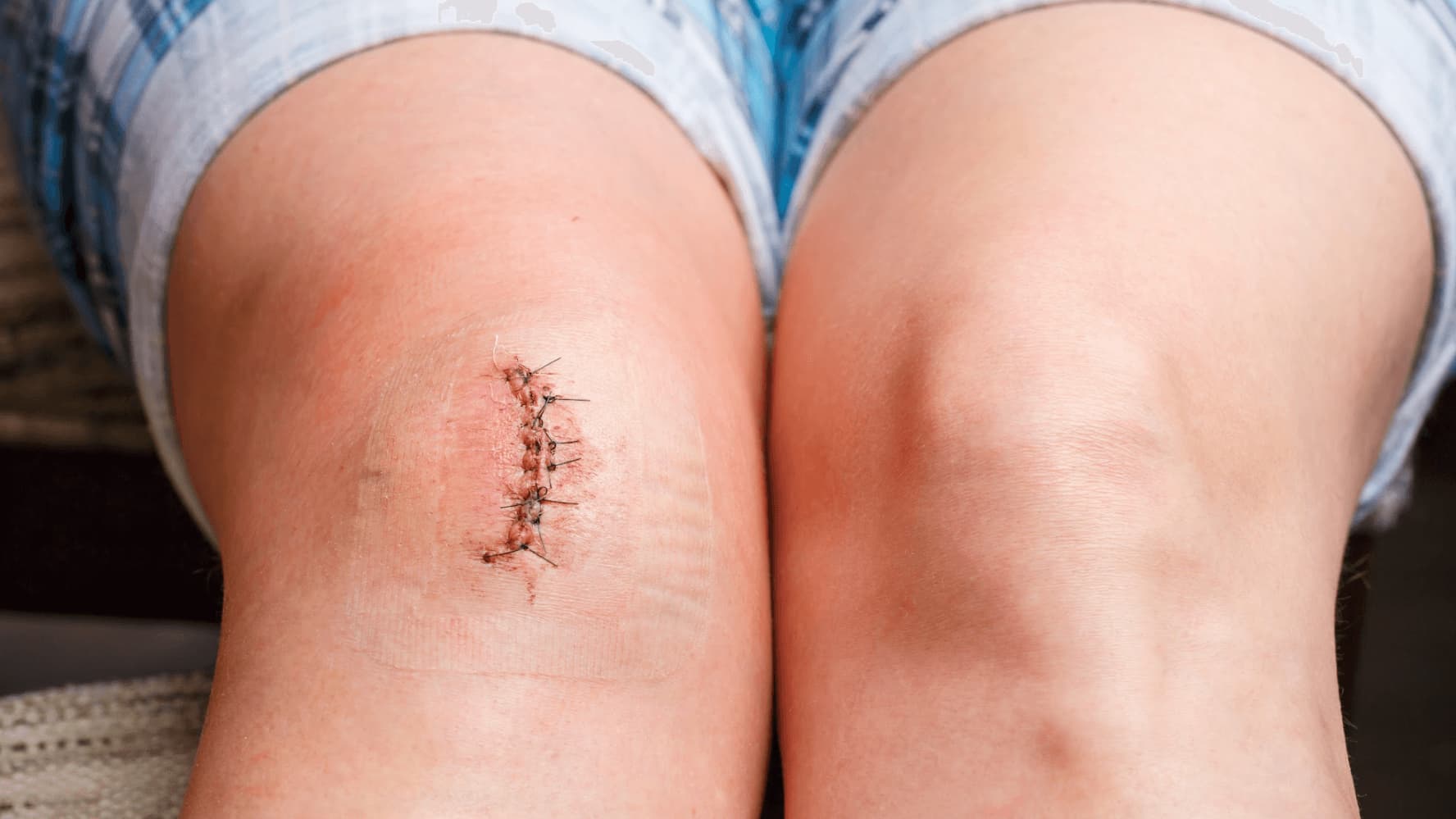
How Long Can Surgical Wounds Take to Heal?
Looking for a natural way to heal faster after surgery? Consider HBOT to speed up surgical healing, reduce postsurgical pain. and more.
Read article
USF Health Awarded $28 Million for HBOT Study on Traumatic Brain Injuries
USF Health secures $28 million grant to research the effects of HBOT on traumatic brain injuries (TBI). Learn more about this innovative study.
Read article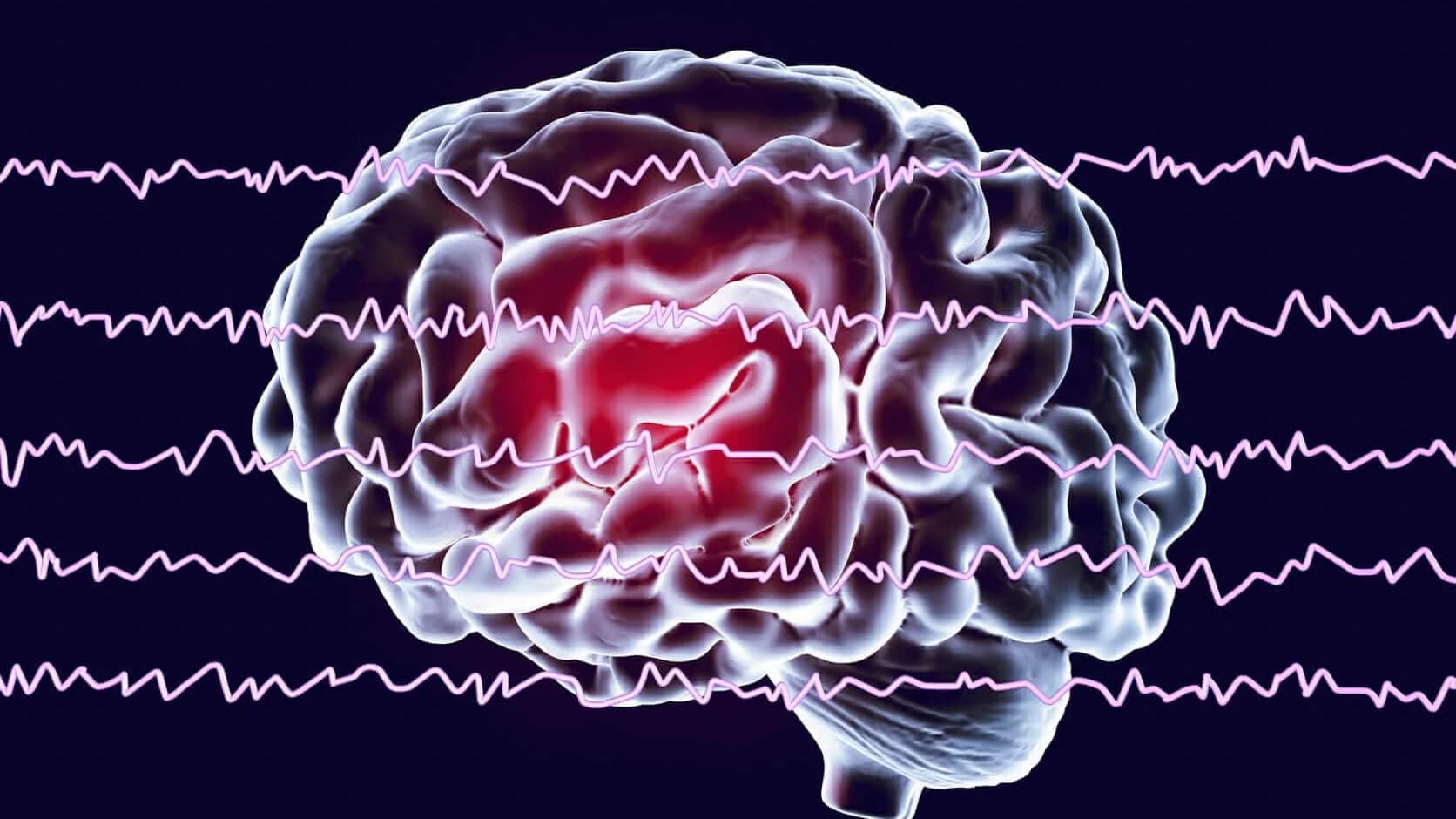
qEEG: A Powerful Tool for Brain Mapping and Its Synergy with HBOT
Learn how qEEG works, how it differs from other brain scans, and how its data can enhance the effectiveness of HBOT for neurological healing.
Read article
HBOT for Veterans with PTSD: Kentucky’s $1.5M Funding
Kentucky’s $1.5M funding for free HBOT treatment offers new hope for veterans with PTSD. Learn how MD Hyperbaric provides HBOT to aid PTSD recovery.
Read article
HBOT Headlines: October 2024
October 2024: The Latest in Hyperbaric Oxygen Therapy (HBOT): News, Research, and MD Hyperbaric Updates
Read article
What are the First Signs of a Concussion?
Learn the common signs of traumatic brain injury, such as light sensitivity, and top treatments like hyperbaric oxygen therapy. Visit our team today.
Read article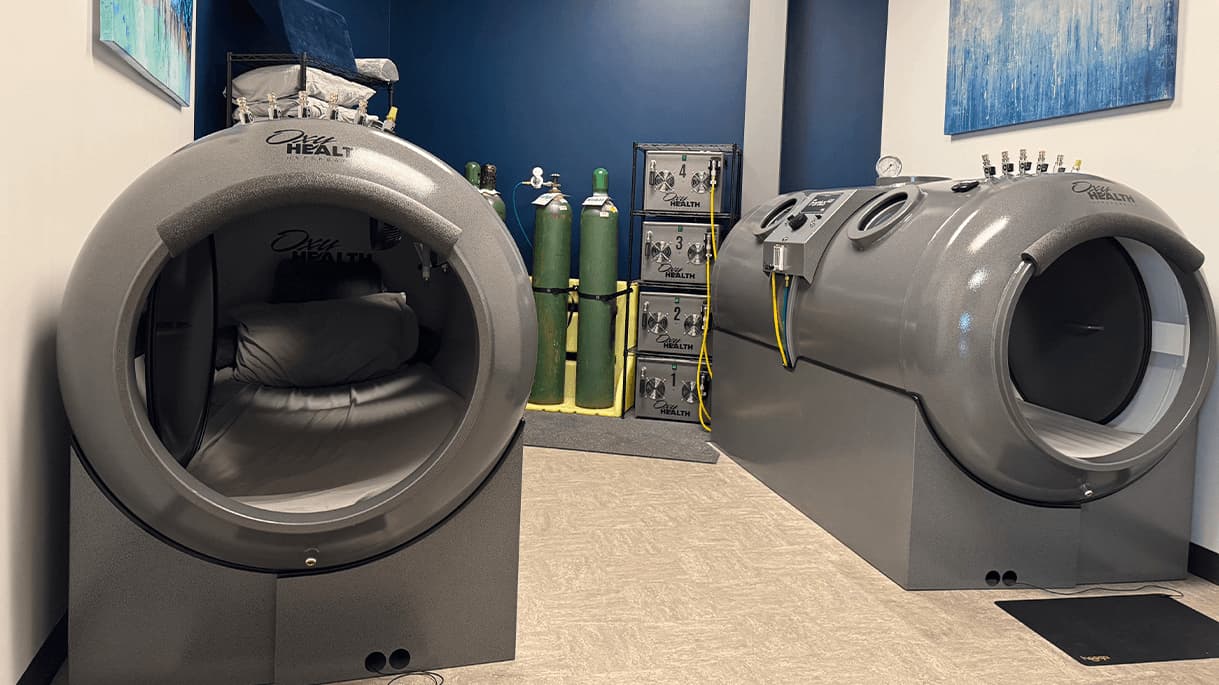
The Safety of MD Hyperbaric: Why Our Chambers and Approach Make All the Difference
The Safety of MD Hyperbaric: Why Our Chambers and Approach Make All the Difference
Read article