

Condition support
Strengthen Your Cancer Treatment and Recovery
Our medical-grade HBOT programs support patients undergoing or recovering from cancer treatment—helping repair tissue, reduce inflammation, and improve comfort and quality of life.
WHY SUPPORT MATTERS
Cancer Treatment Impacts the Whole Body
HBOT Helps Restore Tissue Health and Resilience During and After Oncology Care
Cancer therapies—including radiation, chemotherapy, immunotherapy, and surgery—can weaken tissue, disrupt circulation, damage microvasculature, and elevate inflammation. These side effects often create long-lasting discomfort, delayed healing, or radiation-related injuries that require targeted support.
Hyperbaric Oxygen Therapy (HBOT) delivers oxygen under pressure to enhance wound repair, stimulate angiogenesis, relieve inflammation, and strengthen tissue compromised by treatment.
HBOT is adjunctive, meaning it is used alongside oncology care to improve comfort and support recovery—not to treat or cure cancer.
HOW HBOT SUPPORTS ONCOLOGY PATIENTS
Adjunctive Support for Healing, Comfort & Quality of Life
Pressurized oxygen helps restore tissue health when the body needs it most.
During HBOT, you relax inside a spacious, FDA-cleared chamber while breathing 100% oxygen under pressure. This allows your body to absorb dramatically more oxygen (up to 1,200%) than normal breathing.
HBOT elevates dissolved oxygen levels in plasma, enabling oxygen to reach areas damaged by radiation, surgery, or inflammation where circulation may be impaired. Based on established protocols, HBOT may help:
- Reverse radiation-induced hypoxia
- Stimulate angiogenesis and fibroblast activity
- Reduce chronic inflammation and fibrosis
- Support graft and flap viability
- Increase mitochondrial efficiency and cellular recovery
- Improve comfort, stamina, and daily functioning
These mechanisms make HBOT a powerful ally during oncology recovery, particularly in cases of radiation injury, impaired wound healing, or slow tissue restoration.
Improved Healing of Radiation-Damaged Tissue
Reduced Inflammation & Fibrosis
Enhanced Wound, Graft & Flap Recovery
Support for Energy, Comfort & Functional Resilience
Improved Microcirculation & Oxygenation of Compromised Tissue
Who can benefit?
HBOT Is Widely Used as Adjunctive Support in Oncology Care
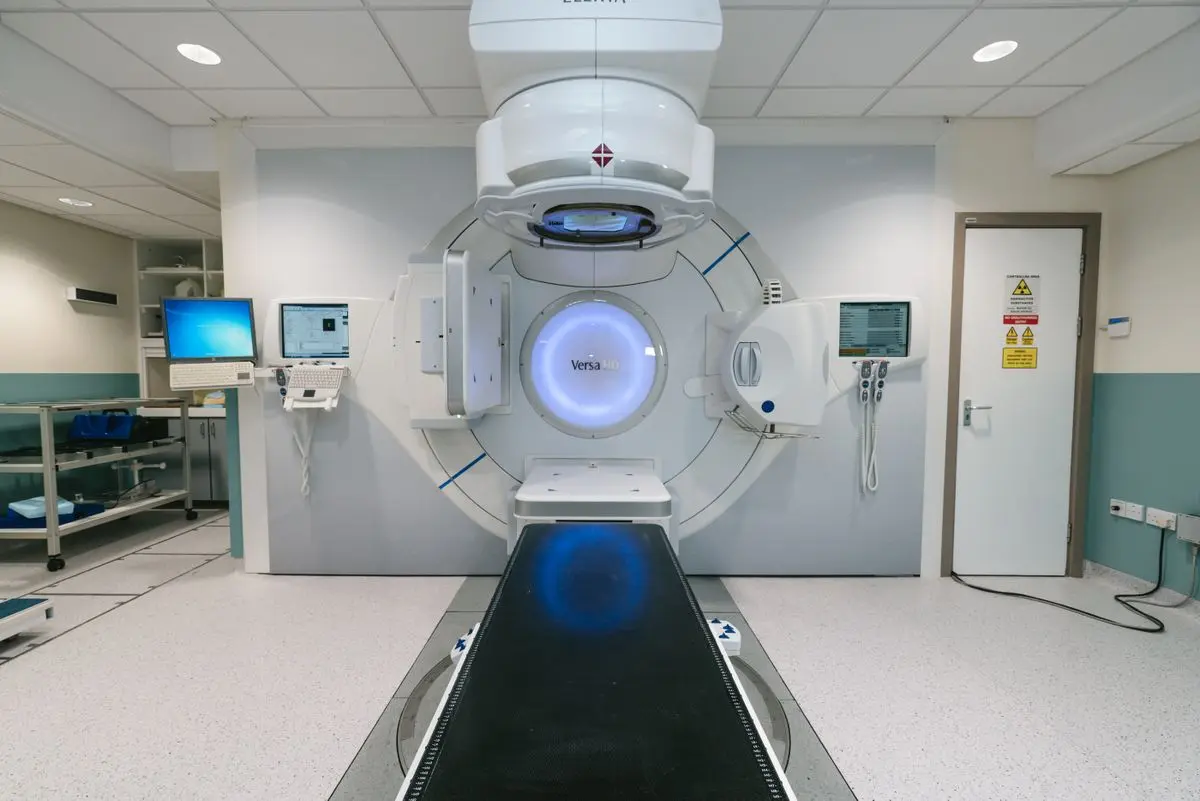
Radiation Injury (Soft-Tissue & Osteoradionecrosis)
Radiation can limit blood flow and oxygen in tissues, sometimes leading to slow-healing wounds or jawbone injury. HBOT increases oxygen delivery, supports new blood-vessel growth, and helps damaged tissue repair—making it one of the most established therapies for radiation-related complications.
Read study (opens in a new tab)
Surgical Recovery & Reconstructive Healing (Grafts & Flaps)
After cancer surgery, tissues need strong oxygenation to heal properly. HBOT boosts collagen production, improves circulation, and supports graft or flap success—especially important in breast, head and neck, and skin cancer reconstruction.
Read study (opens in a new tab)
Chemotherapy-Related Fatigue, Tissue Stress & Cell Recovery
Some chemotherapy treatments can drain cellular energy and cause nerve discomfort or fatigue. HBOT may enhance oxygen use, reduce oxidative stress, and support better energy and stability during recovery.
Read study (opens in a new tab)
Immune & Inflammatory Regulation During Treatment
HBOT helps the body manage inflammation, improves oxygen utilization, and supports healthier immune balance. These effects may make treatment side effects easier to tolerate and help tissues recover more efficiently.
Read study (opens in a new tab)Your Next Step
Ready to Support Your Recovery During Cancer Treatment?
Book your free 15-minute discovery call today or get started by requesting an appointment
How We're Different
Why Choose MD Hyperbaric?
Here's why thousands of patients trust MD Hyperbaric to accelerate their recovery:
Patient Centered Care
We tailor your treatment to your needs and guide you through every step—so you feel informed, supported, and on track to recover faster.
The Most Advanced Chambers
We use the largest and safest FDA-cleared, hyperbaric chambers on the market, for comfort, results and peace of mind.
Expert Medical Oversight
Every treatment is overseen by licensed medical providers and delivered by trained staff with specialized expertise in HBOT.
Uncompromising Safety Standards
Our team follows strict protocols to ensure every treatment is delivered in a safe, carefully controlled environment.
How It Works
A Structured, Physician-Guided Path
We guide you through every step—from consultation to treatment—with expert support and personalized care, all backed by a proven, physician-led process to ensure your safety and results.
Free Discovery Call
Speak with our team to learn more about HBOT and whether it's a good fit for you (optional).
Intake & Review
Complete a simple health form for our medical team to review. They will follow up if anything needs clarification.
Personalized Plan
You'll receive a custom protocol designed for your recovery.
Start Your First Session
Enter our roomy FDA-cleared hyperbaric chamber at your local center and start treatment with expert guidance.
Monitor & Measure
Our team will monitor and evaluate your response to treatment to ensure safety and optimal outcomes are achieved.
What Our Patients Say
Real Patients. Real Results
 Post-Surgical Recovery
“Getting HBOT helped me a lot with my wound healing. I noticed my scars remarkably lightened. My mood and energy levels improved as well in just three weeks of getting two sessions each week — despite my demanding work schedule, I felt like I had more energy.”Namae
 Inflammatory Bowel Disease
“I was prescribed HBOT by my specialist to treat a complex and traumatic issue stemming from IBD and reconstructive GI surgeries. I did a full course and absolutely saw improvement right away. The staff are amazing, very professional and caring.”Kathleen
 Injury Recovery
“I broke my wrist playing tennis and came to MD Hyperbaric Westchester to help speed up my recovery. After a few sessions I have felt a tremendous improvement in energy, sleep — and my doctor says my wrist is healing remarkably well.”John
 Cancer Adjunct
“I'm a breast cancer survivor, and after radiation near my lungs, I thought this treatment might be useful. I can feel a difference in my breathing and cognition. I definitely recommend it if your body has gone through a traumatic experience.”Aziza
 Wellness
“I recently began using Hyperbaric Oxygen Therapy at MD Hyperbaric, and it's been one of the most unique and impactful wellness treatments I've explored. I was drawn in by the potential benefits for anxiety, fatigue, and overall cellular repair, but I didn't expect it to feel this restorative — and my skin is glowing too!”Olesia
Still Have Questions?
Questions About HBOT? Let's Chat
Book your free 15-minute discovery call today.
MD Hyperbaric Is Rapidly Expanding
Find Your Nearest HBOT Center
Supporting Research
How HBOT Supports Oncology Recovery
Clinical evidence shows hyperbaric oxygen therapy improves oxygen delivery to hypoxic tissues, reduces radiation-related injury, stimulates angiogenesis, and accelerates wound healing. HBOT is not a cancer treatment—rather, it is used as supportive, adjunctive therapy to improve quality of life and reduce treatment-related complications.
Hyperbaric oxygen therapy and cancer—a review
(opens in a new tab)Breaking the hypoxia barrier: Advances and challenges of hyperbaric oxygen therapy in cancer treatment
(opens in a new tab)Hyperbaric oxygen as an adjunctive therapy in treatment of malignancies, including brain tumours
(opens in a new tab)Hyperbaric oxygen alone or combined with 5-FU attenuates growth of induced rat mammary tumors
(opens in a new tab)Hyperbaric oxygen therapy as a complementary treatment in neuroblastoma — a narrative review
(opens in a new tab)Effects of an early intervention with Hyperbaric Oxygen Treatment on arm lymphedema and quality of life after breast cancer—an explorative clinical trial
(opens in a new tab)Short- and Long-Term Efficacy of Hyperbaric Oxygen Therapy in Irradiated Breast Cancer Patients With Long-Standing Lymphedema: A Prospective Case Series
(opens in a new tab)Comparison of the short-term effects of hyperbaric oxygen therapy and complex decongestive therapy on breast cancer-related lymphedema
(opens in a new tab)Before Your First Visit
Frequently Asked Questions
No. HBOT does not treat or cure cancer. It is used adjunctively to help manage side effects of cancer treatment, improve tissue health, and enhance overall recovery.
Yes—when medically supervised. There are certain chemotherapy agents that are contraindicated. Our team coordinates treatment timing, screens for contraindications, and follows oncology-appropriate safety guidelines, including those described in your supporting HBOT oncology protocol guide.
Radiation injury protocols often range from 30–40 sessions, while surgical recovery may require 10–20 sessions. Your HBOT physician will design a plan based on your treatment history and recovery goals.
Yes. HBOT is widely recognized as a supportive therapy for radiation-damaged tissue, helping restore blood flow, reduce fibrosis, and stimulate healing in compromised areas.
Many patients notice improved comfort, wound progress, or tissue recovery within a few weeks. Others experience gradual changes over the course of their protocol. HBOT’s effects are cumulative—consistent treatment leads to the best results.