
Condition support
Sudden Hearing Loss (SSNHL)
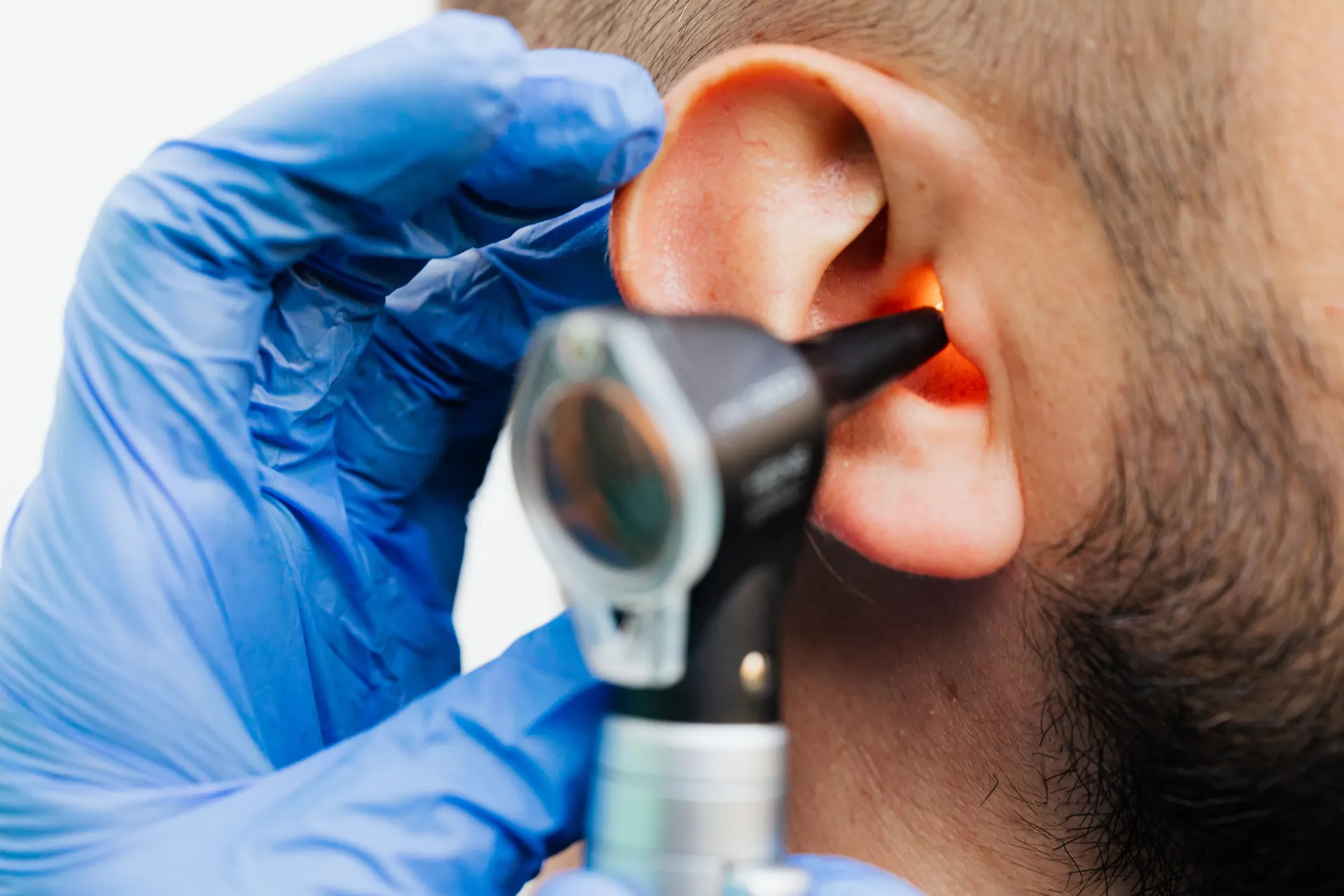
Idiopathic sudden sensorineural hearing loss (SSNHL) is a medical emergency — and hyperbaric oxygen therapy is a recognized treatment when started early. Participating MD Hyperbaric centers accept insurance, including Medicare, for this on-label indication.
WHY EARLY TREATMENT MATTERS
Sudden Hearing Loss Is a Medical Emergency
Time Matters
The best results are seen when HBOT begins within 14 days of symptom onset, and the American Academy of Otolaryngology supports offering HBOT for up to 3 months after onset. If you woke up with sudden hearing loss in one ear — even if it is painless — contact your physician and our center today. Our team runs an expedited insurance-authorization pathway for sudden hearing loss so treatment can start without delay.
Sudden sensorineural hearing loss is a rapid loss of hearing — usually in one ear — caused by a problem with the inner ear (cochlea) or the auditory nerve rather than a blockage of the ear canal. It often appears over hours or upon waking, and may be accompanied by:
- A feeling of fullness or pressure in the ear
- Ringing in the ear (tinnitus)
- Dizziness or balance problems
- Difficulty following conversations, especially in noisy environments
Because damaged cochlear hair cells do not regenerate, sensorineural hearing loss is typically irreversible once established.
That is why SSNHL is treated as a medical emergency: the treatment window is short, and early intervention gives the inner ear its best chance of recovery.
Standard first-line care is corticosteroids (oral or injected through the eardrum); HBOT is used alongside steroids, not instead of them.
HOW HBOT HELPS
How Oxygen Supports the Inner Ear
The inner ear has one of the highest oxygen demands of any tissue in the body, and the cochlea depends on oxygen diffusing from a very small blood supply.
The inner ear has one of the highest oxygen demands of any tissue in the body, and the cochlea depends on oxygen diffusing from a very small blood supply. Hyperbaric oxygen therapy dramatically raises the amount of oxygen dissolved in the blood plasma, which can:
- Restore oxygen supply to the cochlea — revitalizing oxygen-starved nerve and sensory cells before damage becomes permanent
- Reduce cochlear swelling (edema) — high-concentration oxygen may reduce inflammation and swelling in the inner ear
- Support cellular repair — promoting the supportive processes that protect the remaining auditory structures
- Help prevent further damage to the auditory nerve and related structures
In pooled clinical results, HBOT improved hearing by an average of 19.3 decibels — and by an average of 37.7 decibels in patients with severe hearing loss (LeGros & Murphy-Lavoie, UHM 2024, PMID 39821771 — UHMS Hyperbaric Indications Manual 15th ed. chapter reprint).
The American Academy of Otolaryngology–Head and Neck Surgery recommends that hyperbaric oxygen be considered as a treatment option for up to 3 months after symptom onset (combined with steroid therapy), and recommends against routine use of antivirals, thrombolytics, vasodilators, vasoactive substances, or antioxidants (Chandrasekhar et al, Otolaryngol Head Neck Surg 2019, PMID 31369359).
Restores Oxygen Supply to the Cochlea
Reduces Cochlear Swelling
Supports Cellular Repair
Helps Prevent Further Damage
Who can benefit?
Patients Who May Benefit From Early, Coordinated Care
Patients Within 14 Days of Onset
The best results are seen when HBOT begins within 14 days of symptom onset.
Read study (opens in a new tab)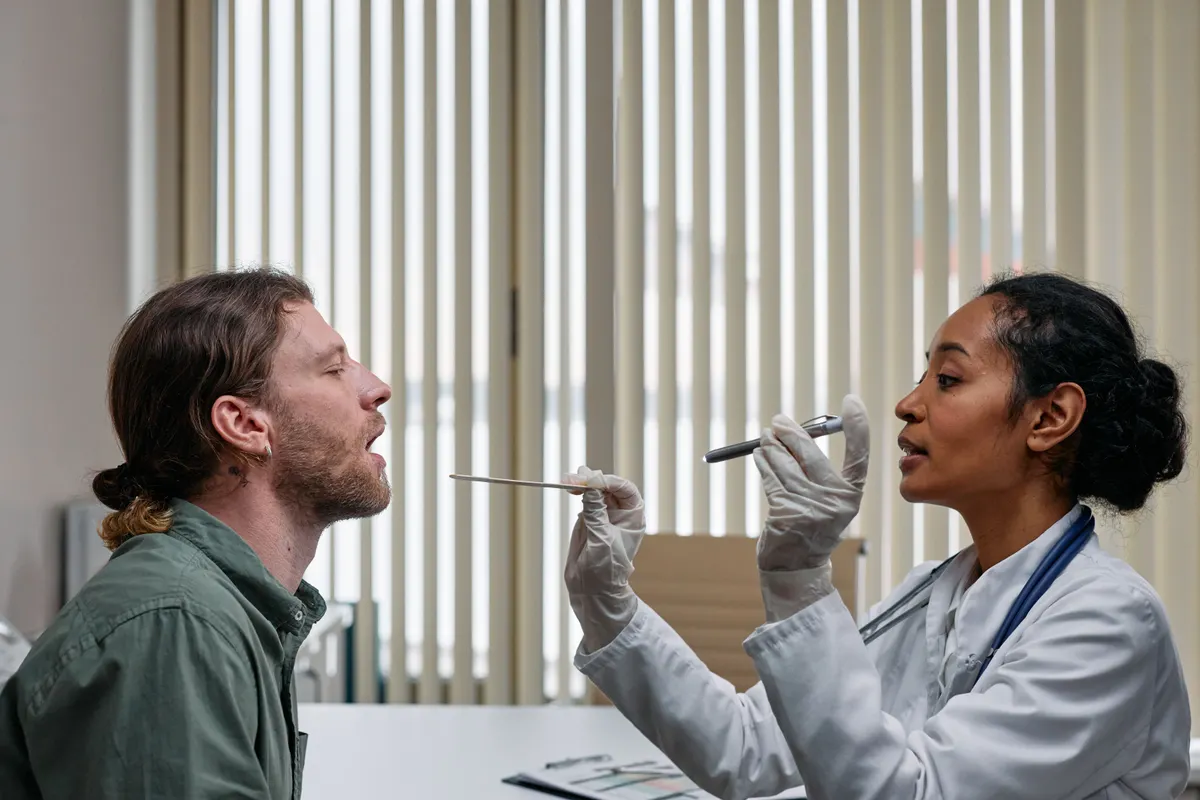
Patients up to Three Months After Onset
The American Academy of Otolaryngology supports offering HBOT for up to 3 months after onset.
Read study (opens in a new tab)
Patients Receiving Steroid Therapy
Standard first-line care is corticosteroids (oral or injected through the eardrum); HBOT is used alongside steroids, not instead of them.
Read study (opens in a new tab)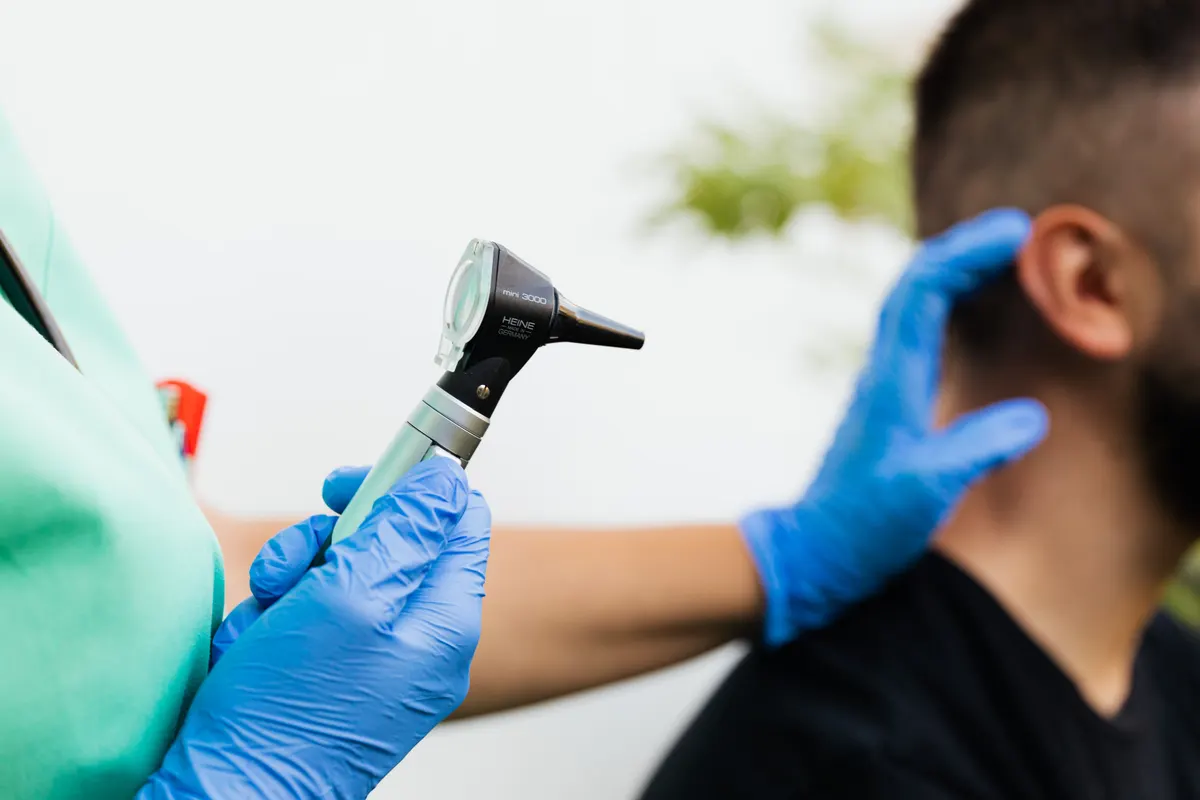
Patients With Severe Hearing Loss
In pooled clinical results, HBOT improved hearing by an average of 19.3 decibels — and by an average of 37.7 decibels in patients with severe hearing loss.
Read study (opens in a new tab)Your Next Step
Ready to Discuss Sudden Hearing Loss?
Contact us the day you notice the loss — our team expedites evaluation and insurance authorization for this condition.
How We're Different
Why Choose MD Hyperbaric?
Here's why thousands of patients trust MD Hyperbaric to accelerate their recovery:
Patient Centered Care
We tailor your treatment to your needs and guide you through every step—so you feel informed, supported, and on track to recover faster.
The Most Advanced Chambers
We use the largest and safest FDA-cleared, hyperbaric chambers on the market, for comfort, results and peace of mind.
Expert Medical Oversight
Every treatment is overseen by licensed medical providers and delivered by trained staff with specialized expertise in HBOT.
Uncompromising Safety Standards
Our team follows strict protocols to ensure every treatment is delivered in a safe, carefully controlled environment.
How It Works
A Coordinated Path to Treatment
We guide you through every step—from consultation to treatment—with expert support and personalized care, all backed by a proven, physician-led process to ensure your safety and results.
Free Discovery Call
Speak with our team to learn more about HBOT and whether it's a good fit for you (optional).
Intake & Review
Complete a simple health form for our medical team to review. They will follow up if anything needs clarification.
Personalized Plan
You'll receive a custom protocol designed for your recovery.
Start Your First Session
Enter our roomy FDA-cleared hyperbaric chamber at your local center and start treatment with expert guidance.
Monitor & Measure
Our team will monitor and evaluate your response to treatment to ensure safety and optimal outcomes are achieved.
What Our Patients Say
Real Patients. Real Results
 Post-Surgical Recovery
“Getting HBOT helped me a lot with my wound healing. I noticed my scars remarkably lightened. My mood and energy levels improved as well in just three weeks of getting two sessions each week — despite my demanding work schedule, I felt like I had more energy.”Namae
 Inflammatory Bowel Disease
“I was prescribed HBOT by my specialist to treat a complex and traumatic issue stemming from IBD and reconstructive GI surgeries. I did a full course and absolutely saw improvement right away. The staff are amazing, very professional and caring.”Kathleen
 Injury Recovery
“I broke my wrist playing tennis and came to MD Hyperbaric Westchester to help speed up my recovery. After a few sessions I have felt a tremendous improvement in energy, sleep — and my doctor says my wrist is healing remarkably well.”John
 Cancer Adjunct
“I'm a breast cancer survivor, and after radiation near my lungs, I thought this treatment might be useful. I can feel a difference in my breathing and cognition. I definitely recommend it if your body has gone through a traumatic experience.”Aziza
 Wellness
“I recently began using Hyperbaric Oxygen Therapy at MD Hyperbaric, and it's been one of the most unique and impactful wellness treatments I've explored. I was drawn in by the potential benefits for anxiety, fatigue, and overall cellular repair, but I didn't expect it to feel this restorative — and my skin is glowing too!”Olesia
Still Have Questions?
Questions About HBOT? Let's Chat
Book your free 15-minute discovery call today.
MD Hyperbaric Is Rapidly Expanding
Find Your Nearest HBOT Center
Clinical protocol
Typical Treatment Protocol
| Condition | Sessions | Frequency | Duration | Pressure | Reported Outcomes |
|---|---|---|---|---|---|
| Idiopathic sudden sensorineural hearing loss | 10–20 | 5x/week | 90 mins | 2.0–2.5 ATA | Average 19.3 dB hearing improvement; 37.7 dB in severe loss (Murphy-Lavoie et al 2024) |
Your exact protocol is set by our Medical Director based on your audiogram, time since onset, and concurrent steroid therapy.
Supporting Research
Research on HBOT for Sudden Hearing Loss
Idiopathic sudden sensorineural hearing loss is recognized by the Undersea and Hyperbaric Medical Society as an indication for HBOT, ideally started within two weeks of onset.
Hyperbaric Treatment of Sensorineural Hearing Loss
(opens in a new tab)Hyperbaric Oxygenation as Adjunctive Therapy in the Treatment of Sudden Sensorineural Hearing Loss
(opens in a new tab)Hyperbaric Oxygen Therapy for Idiopathic Sudden Sensorineural Hearing Loss: Factors Affecting Benefits of Earlier Start and Longer Treatment Duration
(opens in a new tab)HBO2 for sudden sensorineural hearing loss
(opens in a new tab)Hyperbaric oxygen in the treatment of sudden hearing loss
(opens in a new tab)Before Your First Visit
Frequently Asked Questions
As soon as possible. The best results are reported when treatment begins within two weeks of symptom onset, and clinical guidelines support offering HBOT for up to three months after onset. Contact us the day you notice the loss — our team expedites evaluation and insurance authorization for this condition.
Prompt specialist evaluation matters: your physician will confirm the diagnosis (usually with an audiogram) and typically start corticosteroids, which work alongside HBOT. If you don't yet have a diagnosis, contact us anyway — we can help coordinate the pathway. If you already have a referral, our Medical Director will work directly with your physician.
At participating MD Hyperbaric centers, yes — we are in-network providers and accept insurance, including Medicare, for this on-label indication. Contact our center directly, or ask your ENT, audiologist, or primary care physician to send a referral. We verify your benefits before treatment begins. Coverage depends on your diagnosis, your plan, and medical-necessity criteria; most plans require prior authorization, which we coordinate on an expedited basis with your physician and insurer. We will explain your expected costs before your first session.
Results vary with severity, time since onset, and individual factors. Clinical studies report meaningful average improvements — larger in severe hearing loss — when HBOT is combined with steroid therapy early. Our Medical Director will give you an honest assessment of what to expect in your case.