---
# Future-Proofing Your Brain: How Oxygen Therapy Supports Long-Term Cognitive Health
**URL:** https://mdhyperbaric.com/blog/how-oxygen-therapy-supports-long-term-cognitive-health
Date: 2026-02-24
Author: Jeff Lentz
Post Type: post
Summary: Explore how hyperbaric oxygen therapy may support long-term cognitive health, brain fog relief, processing speed, and brain resilience through oxygen delivery.
Categories: Blog
Featured Image: https://mdhyperbaric.com/wp-content/uploads/2026/02/Your-paragraph-text-5.jpg
---
**Reviewed by: Elizabeth Chan, NP (Medical Director, MD Hyperbaric)
**
Cognitive longevity is not just a concern for older adults. Many people in their 30s, 40s, and 50s begin noticing subtle changes: slower recall, reduced focus, mental fatigue after long workdays, or difficulty multitasking. Others experience more pronounced brain fog after illness, chronic stress, or a history of [**concussions and post-concussion syndrome.**](https://mdhyperbaric.com/conditions/concussions-tbis?utm_medium=organic&utm_campaign=manhasset&utm_content=gbp&utm_source=google&gclid=Cj0KCQiAjJTKBhCjARIsAIMC448stTsuaxRw1qeCYroHhL4D4xhtoAr_uTnr3pH40voJ3iQi7pai7nsaAucAEALw_wcB)
In response, the conversation about “brain health” has expanded. It is no longer only about preventing dementia. It is about protecting everyday function: memory, processing speed, attention, emotional regulation, and the ability to stay mentally sharp across decades. This broader focus reflects a growing interest in **[improving mental clarity and cognitive performance](https://mdhyperbaric.com/blog/improving-mental-clarity-and-cognitive-performance-in-2026-brain-fog-causes-fixes-how-hbot-helps?utm_medium=organic&utm_campaign=manhasset&utm_content=gbp&utm_source=google&gclid=Cj0KCQiAjJTKBhCjARIsAIMC448stTsuaxRw1qeCYroHhL4D4xhtoAr_uTnr3pH40voJ3iQi7pai7nsaAucAEALw_wcB) **at every stage of life.
Hyperbaric oxygen therapy, or HBOT, has entered this discussion because oxygen delivery is foundational to brain performance.

## Why oxygen is central to brain health
The brain is metabolically demanding tissue. It consumes a large share of the body’s oxygen and energy, and even subtle disruptions in blood flow or oxygen utilization can affect cognitive function.
Over time, oxygen delivery can be influenced by:
- vascular stiffness and reduced microcirculation
- inflammation and oxidative stress
- sleep disruption or untreated sleep apnea
- metabolic dysfunction
- post-illness recovery states
- prior neurological injury, including concussion and other [**traumatic brain injuries**](https://mdhyperbaric.com/conditions/concussions-tbis?utm_medium=organic&utm_campaign=manhasset&utm_content=gbp&utm_source=google&gclid=Cj0KCQiAjJTKBhCjARIsAIMC448stTsuaxRw1qeCYroHhL4D4xhtoAr_uTnr3pH40voJ3iQi7pai7nsaAucAEALw_wcB)
HBOT is designed to increase oxygen availability by delivering 100 percent oxygen under increased pressure. That combination increases oxygen dissolved in plasma and can enhance oxygen diffusion into tissues, including brain tissue.
## Brain fog: a modern cognitive complaint with real physiology
Brain fog is not a formal medical diagnosis, but it is a widely reported experience. It often includes difficulty concentrating, slower processing speed, forgetfulness, and mental fatigue.
Many triggers overlap with physiological stressors:
- chronic stress and nervous system overload
- inflammation
- poor sleep
- post-viral recovery states
MD Hyperbaric’s content on brain fog frames it as a symptom cluster tied to factors like inflammation, oxygen delivery, and mitochondrial function, which are all relevant to how people think and feel day-to-day. This overlap is part of why researchers are increasingly exploring [HBOT and mental health conditions](https://mdhyperbaric.com/conditions/neurological-and-neurodegenerative-conditions?utm_medium=organic&utm_campaign=manhasset&utm_content=gbp&utm_source=google&gclid=Cj0KCQiAjJTKBhCjARIsAIMC448stTsuaxRw1qeCYroHhL4D4xhtoAr_uTnr3pH40voJ3iQi7pai7nsaAucAEALw_wcB)** **in relation to inflammation, stress physiology, and brain metabolism.
## What research suggests about HBOT and cognitive performance
Human research into HBOT and cognitive performance includes studies focused on aging populations and **[neurological and neurodegenerative conditions.](https://mdhyperbaric.com/conditions/neurological-and-neurodegenerative-conditions?utm_medium=organic&utm_campaign=manhasset&utm_content=gbp&utm_source=google&gclid=Cj0KCQiAjJTKBhCjARIsAIMC448stTsuaxRw1qeCYroHhL4D4xhtoAr_uTnr3pH40voJ3iQi7pai7nsaAucAEALw_wcB)**
One randomized controlled trial in healthy older adults reported cognitive and cerebral blood flow changes following HBOT, using neuroimaging to evaluate perfusion alongside cognitive outcomes.
This does not mean HBOT is a universal “anti-aging” treatment, but it is evidence that oxygen and pressure interventions may influence measurable brain-related outcomes, at least in certain groups.
Separately, broader reviews discuss HBOT’s potential role in neurodegenerative contexts, exploring mechanisms such as neuroinflammation modulation, neuroplasticity, and epigenetic effects.
## What about Alzheimer's disease, Parkinson's disease, and dementia?
This is where it is essential to stay balanced.
There is published research exploring HBOT in neurodegenerative conditions, including Alzheimer’s disease and vascular dementia. For example, a meta-analysis in *Frontiers in Aging Neuroscience* evaluated HBOT as adjunctive therapy in vascular dementia trials, assessing cognitive and safety outcomes.
There are also reviews examining HBOT as a potential therapeutic approach in Alzheimer’s disease, often emphasizing that evidence is emerging and that HBOT should be considered adjunctive rather than standalone.
For Parkinson’s disease, published clinical work has examined motor symptoms, sleep, and cognitive effects in the context of HBOT, though broader replication and standardized protocols remain important. The practical takeaway: **HBOT is being studied across neurodegenerative conditions, but it should not be framed as a cure.** Any patient with memory loss or suspected neurodegenerative disease should have a comprehensive medical evaluation, and any adjunctive therapy should be integrated into coordinated care.
### The middle-age opportunity: building cognitive reserve
Many cognitive longevity strategies are most effective when started before severe decline. In middle age, the goal often becomes building “cognitive reserve,” meaning resilience against stressors that can impact brain function over time.
That includes:
- sleep quality and circadian support
- cardiovascular fitness and circulation
- metabolic health
- stress regulation
- cognitive challenge and learning
- inflammation reduction
HBOT fits into this picture as a potential tool for improving oxygen delivery and supporting tissue recovery. People who pursue HBOT for cognitive longevity often focus on practical outcomes: clearer thinking, better cognitive endurance, and fewer brain fog days.
### Cognitive performance and post-injury brains
Many migraine triggers share an underlying theme: they increase metabolic stress and reduce resilience. Common Cognitive longevity is also relevant for people with concussion history. Some individuals have lingering cognitive symptoms after [concussion](https://mdhyperbaric.com/blog/can-hbot-help-concussion-recovery-what-the-latest-research-shows?utm_medium=organic&utm_campaign=manhasset&utm_content=gbp&utm_source=google&gclid=Cj0KCQiAjJTKBhCjARIsAIMC448stTsuaxRw1qeCYroHhL4D4xhtoAr_uTnr3pH40voJ3iQi7pai7nsaAucAEALw_wcB), or they notice brain fog and reduced tolerance for stress long after returning to normal life.
Medical organizations describe post-concussion syndrome as symptoms that can persist for months or longer, affecting cognition, emotions, and physical function.
Because concussion can impact cerebral blood flow regulation and inflammation pathways, oxygen delivery becomes a logical area of interest, especially when paired with cognitive rehab and structured recovery plans.
### What a responsible "oxygen therapy for brain health" plan looks like
A credible cognitive longevity plan should include:
- **Baseline symptom clarity**: brain fog, fatigue, memory lapses, processing speed issues
- **Lifestyle foundation**: sleep, exercise, hydration, nutrition, stress support
- **Objective tracking**: cognitive endurance, energy patterns, sleep consistency
- **Realistic expectations**: improvements are often gradual, and results vary
- **Appropriate clinical screening**: especially for contraindications and complex medical history
## Bottom line
HBOT is being explored as a supportive therapy for brain health because oxygen delivery is fundamental to cognition. Evidence in healthy aging suggests measurable cognitive and blood flow changes in certain settings, and research in dementia and neurodegenerative conditions continues to evolve.The most accurate framing is not “HBOT prevents dementia.” It is this: **HBOT may support brain physiology that underpins mental clarity, cognitive endurance, and resilience, especially when combined with the basics that keep the brain healthy for life.**
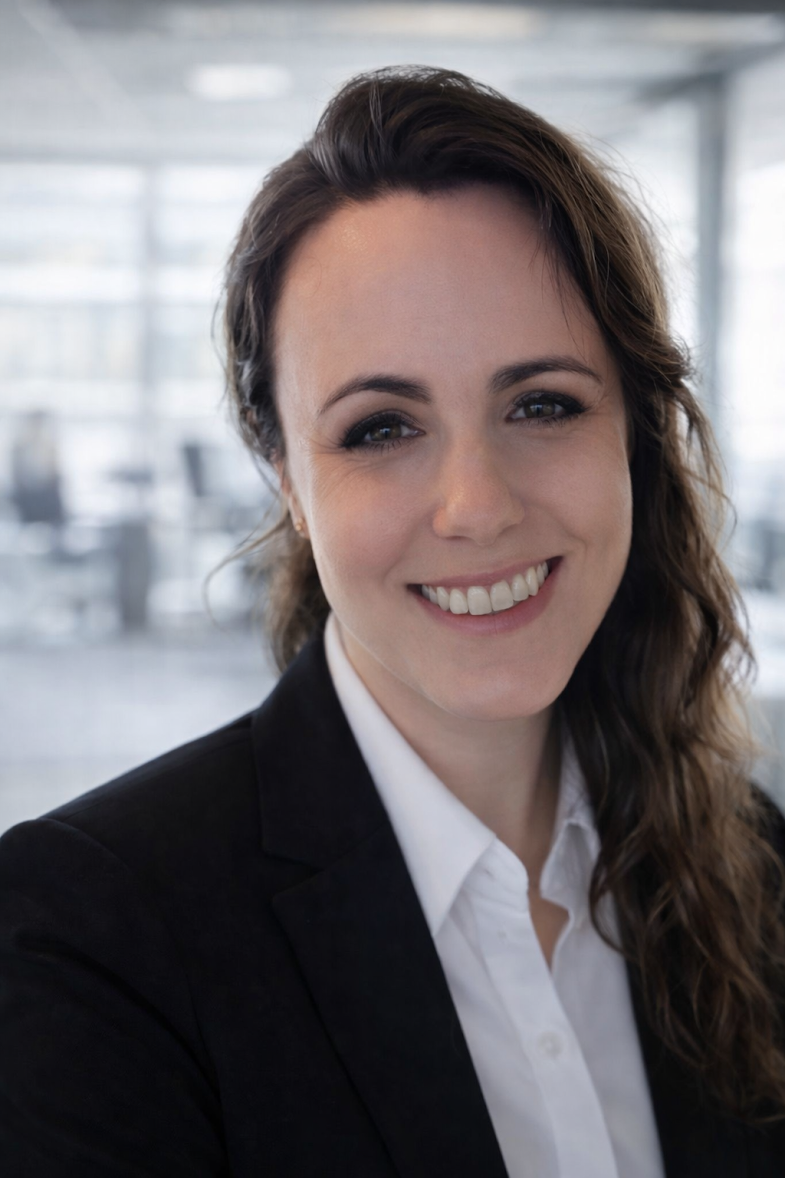
#### Reviewed by Elizabeth Chan, NP (Medical Director, MD Hyperbaric)
Elizabeth Chan, NP, serves as Medical Director at MD Hyperbaric and reviews educational content for clinical accuracy, patient safety, and clarity. She supports evidence-informed care planning for people exploring hyperbaric oxygen therapy for recovery, neurological symptoms, and wellness goals.
*Disclaimer: This article is for informational purposes only and does not constitute medical or insurance advice. Please consult a qualified healthcare provider for personal recommendations and check with your insurance company for current policy details.*
---
## Categories
- Blog
---
## Navigation
- [MD Hyperbaric](https://mdhyperbaric.com/)
---
## Footer Links
- [SKT Doctor](https://www.sktthemes.org/shop/free-medical-clinic-wordpress-theme/)