
Can HBOT Help Concussion Recovery? What the Latest Research Shows
Reviewed by: Elizabeth Chan, NP (Medical Director, MD Hyperbaric)
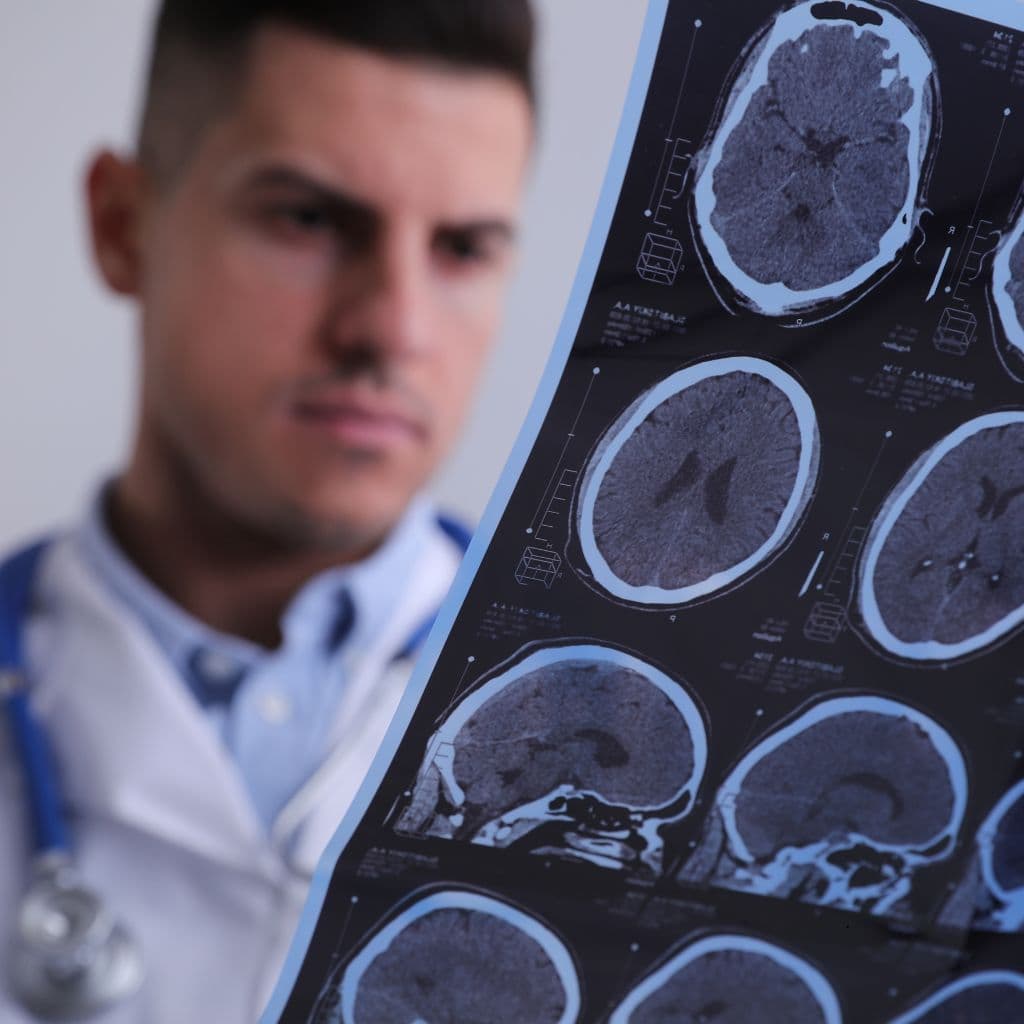
Concussions are often called “mild” traumatic brain injuries, but that label can be misleading. For many athletes and active people, the impact is anything but mild. First signs of concussion can range from headache and dizziness to sleep disruption, mood changes, light sensitivity, and difficulty concentrating. While many recover within a few weeks, others experience symptoms that linger for months, or longer, a pattern commonly referred to as post-concussion syndrome.
As awareness has grown in youth sports and professional leagues, so has interest in tools that may support recovery. Hyperbaric oxygen therapy, commonly called HBOT, is one of the most discussed, and most debated. This article breaks down what HBOT is, why it might matter after concussion, what the research suggests, and how to think about the evidence without getting pulled into hype.
What is HBOT, and why do people connect it to brain recovery?
HBOT is a medical therapy where someone breathes 100 percent oxygen inside a pressurized chamber. Pressure matters because it increases how much oxygen dissolves into the bloodstream, including into blood plasma. That additional oxygen availability can help support tissues that may be under-oxygenated due to inflammation, vascular changes, or injury-related metabolic demand.
In brain health conversations, HBOT is often framed around three key ideas:
- Oxygen delivery
- Inflammation modulation
- Neuroplasticity support, meaning the brain’s ability to adapt and reorganize after injury
Those concepts show up across hyperbaric research in neurological and psychological conditions, where HBOT is increasingly discussed as a neuromodulatory intervention rather than a simple “oxygen boost.”
Why concussion symptoms can persist
A concussion can disrupt the brain’s normal balance between energy demand and energy supply. After injury, the brain may need more energy to stabilize cellular function, while simultaneously dealing with changes in cerebral blood flow, neuroinflammation, and sensory processing. That mismatch is one reason symptoms can spike with schoolwork, screens, exercise, or noisy environments.
When symptoms persist beyond the typical window, clinicians often recommend a multidisciplinary approach. That may include symptom-guided activity, vestibular therapy, vision therapy, sleep support, headache management, and cognitive rehabilitation strategies. For example, Weill Cornell describes cognitive remediation as a goal-oriented, time-limited approach designed to improve day-to-day functioning and reintegration, often addressing attention, memory, and the emotional load that can follow brain injury.
HBOT, when considered, is best understood as a supportive therapy that may fit within that broader recovery plan.
What “the latest research” really means here
HBOT research in concussion and post-concussion symptoms spans:
- Small randomized trials
- Sham-controlled designs
- Case series
- Evidence syntheses (systematic reviews and evidence briefs)
Some studies report improvements in symptoms and cognitive measures. Others report improvement in both HBOT and sham groups, which has fueled debate.
The “sham” problem in hyperbaric trials
Hyperbaric research is uniquely challenging because “sham” can be physiologically active. Even modest pressure changes, or changes in oxygen exposure, can influence outcomes. This is one reason some trials show similar improvement across groups. It does not automatically mean HBOT has no effect. It can mean the study design did not fully isolate differences in dosing.
A VA evidence brief reviewing HBOT for traumatic brain injury and post-traumatic stress disorder highlights variability in protocols and the need for clearer definitions of optimal dosing and outcomes.
Severe TBI research is a different category than concussion
It is also important to separate concussion from severe traumatic brain injury. Data from hospital and ICU settings may not translate cleanly to sports-related concussion, but it does reinforce that oxygen and pressure interventions are actively studied in brain injury care. For example, research groups studying severe TBI have examined hyperbaric oxygen and normobaric hyperoxia as adjuncts in intensive care contexts.
What studies suggest for persistent post-concussion symptoms
When people search “HBOT for concussion recovery,” they are usually asking about persistent symptoms: headaches that do not resolve, brain fog, fatigue, mood changes, and concentration issues months after injury.
The evidence is mixed, but several points show up across discussions and reviews:
- Protocols vary by pressure, oxygen exposure, number of sessions, and frequency
- Outcomes vary based on symptom profiles and time since injury
- Some studies show meaningful improvement, while others do not show superiority over sham
For consumers and families, the most responsible interpretation is this:
HBOT appears promising for certain post-concussion symptom patterns, but it is not a guaranteed solution, and the research is still refining who benefits most and what protocols matter.
Youth sports and the “return to learn” priority
In youth athletes, the biggest barrier is often not return-to-play. It is return-to-school. Cognitive load can trigger symptoms more reliably than physical activity, especially early in recovery. That is why many concussion centers emphasize gradual return to learning and activities, with accommodation and structured rehabilitation when symptoms persist.
If a teen athlete cannot tolerate homework, screens, or classroom noise without headaches and fatigue, it is reasonable to look beyond “just rest,” and evaluate a broader plan. That plan might include vestibular therapy, cognitive remediation, sleep support, and potentially adjunctive therapies like HBOT when appropriate.
Practical questions to ask before considering HBOT for concussion
A high-quality HBOT conversation starts with questions, not promises:
1) What is the diagnosis pattern?
Is this acute concussion, persistent symptoms, migraine-dominant symptoms, vestibular issues, or anxiety and sleep disruption driving the picture?
2) What has already been tried?
Has there been guided aerobic exercise, vestibular or vision therapy, sleep stabilization, and headache management?
3) How will progress be measured?
Symptom scales, sleep tracking, exercise tolerance, cognitive endurance, and school or work function matter.
4) What does the protocol look like?
Number of sessions, frequency per week, and treatment goals should be clear.
Bottom line on HBOT Use to Support Concussion/TBI Recovery
HBOT is not a magic fix, and it should not be positioned as one. But the therapy continues to earn attention because it targets underlying physiology that matters in concussion recovery: oxygen availability, inflammation, cerebral blood flow, and neuroplasticity. For persistent post-concussion symptoms, the evidence base includes both supportive findings and important limitations, and ongoing research is still shaping best practices.
Disclaimer: This article is for informational purposes only and does not constitute medical or insurance advice. Please consult a qualified healthcare provider for personal recommendations and check with your insurance company for current policy details.
Still Have Questions?
Questions About HBOT? Let's Chat
Book your free 15-minute discovery call today.
What Our Patients Say
Real Patients. Real Results
 Post-Surgical Recovery
“Getting HBOT helped me a lot with my wound healing. I noticed my scars remarkably lightened. My mood and energy levels improved as well in just three weeks of getting two sessions each week — despite my demanding work schedule, I felt like I had more energy.”Namae
 Inflammatory Bowel Disease
“I was prescribed HBOT by my specialist to treat a complex and traumatic issue stemming from IBD and reconstructive GI surgeries. I did a full course and absolutely saw improvement right away. The staff are amazing, very professional and caring.”Kathleen
 Injury Recovery
“I broke my wrist playing tennis and came to MD Hyperbaric Westchester to help speed up my recovery. After a few sessions I have felt a tremendous improvement in energy, sleep — and my doctor says my wrist is healing remarkably well.”John
 Cancer Adjunct
“I'm a breast cancer survivor, and after radiation near my lungs, I thought this treatment might be useful. I can feel a difference in my breathing and cognition. I definitely recommend it if your body has gone through a traumatic experience.”Aziza
 Wellness
“I recently began using Hyperbaric Oxygen Therapy at MD Hyperbaric, and it's been one of the most unique and impactful wellness treatments I've explored. I was drawn in by the potential benefits for anxiety, fatigue, and overall cellular repair, but I didn't expect it to feel this restorative — and my skin is glowing too!”Olesia
MD Hyperbaric Is Rapidly Expanding
Find Your Nearest HBOT Center
Before Your First Visit
Frequently Asked Questions
Hyperbaric Oxygen Therapy (HBOT) is a proven treatment that enhances healing by flooding the body with oxygen. Used for over 100 years, it supports brain health, anti-aging, athletic recovery, and medical conditions by boosting oxygen in blood, tissues, and organs. Patients breathe 100% oxygen in a pressurized chamber, accelerating recovery and promoting cellular repair.
HBOT is FDA-approved for 14 conditions like burns, carbon monoxide poisoning, and non-healing wounds. Emerging research also supports its use for post-surgical recovery, brain injury, fatigue, inflammation, athletic recovery, and anti-aging. Our medical team will assess if HBOT is right for you.
Yes, HBOT is safe when properly supervised. At MD Hyperbaric, treatments are protocol-driven, medically overseen, and administered by certified staff. Our Medical Director and onsite Safety Director ensure every session is carefully monitored, and we continuously update our protocols based on the latest research to prioritize patient safety.
Typically, most treatment sessions are approximately 60 minutes, though some conditions may require up to 90 or 120 minutes. Pressurization and depressurization may add about 20 minutes to the appointment, so you should plan for about 90 minutes for your visit.
The number of sessions depends on the condition being treated. Some patients may benefit from a few sessions, while others may require a more extended treatment plan. A typical protocol will involve 10-40 daily sessions to build up oxygen in the cells. Our Medical Director will recommend a specific treatment plan to address your goals and needs.
Prior to treatment, please try to avoid alcohol or carbonated drinks. It is best to avoid smoking and other tobacco products during your treatment period, as they may interfere with the body's ability to transport oxygen. Otherwise, there are no restrictions for food or activity before or after your treatment. We encourage you to have healthy meals and stay hydrated.
Most patients find HBOT sessions relaxing. You will rest comfortably in a 7.5-foot-long steel chamber, breathing 100% pure oxygen through a mask. During pressurization and depressurization, you may feel pressure changes similar to airplane travel. A trained technician will monitor you throughout the session.
The term "dive" is used because the process simulates the experience of a deep-sea dive in a pressurized environment. Hyperbaric Oxygen Therapy has deep roots in diving as an important therapy for treating divers experiencing decompression sickness.
At MD Hyperbaric, we use the FDA-cleared OxyHealth Fortius420, a spacious hard-shell chamber delivering 100% medical-grade oxygen via mask. It operates up to 3.0 ATA, allows tailored pressures, supports air breaks, and includes three windows for comfort and safety.
At MD Hyperbaric, we use hard-shell chambers that deliver 100% medical-grade oxygen at higher pressures for superior therapeutic benefits. Soft-shell chambers operate at lower pressures without medical-grade oxygen, making them less effective for medical treatment.
Our team will assess your medical history and specific circumstances through an intake process. An initial evaluation with certified staff and the Medical Director will determine your eligibility for HBOT.
No referral is needed. Our Medical Director will review your intake forms and prescribe HBOT if appropriate. If you have a prescription from a provider, we will coordinate with them. For serious health conditions, we may recommend getting clearance from your physician.
Some MD Hyperbaric centers accept insurance for certain on-label conditions — the FDA-recognized indications for which HBOT is an established standard of care. Whether insurance applies depends on your diagnosis, your plan, and the center you visit, so please contact your local center to confirm. Where insurance does not apply, HBOT is a self-pay treatment: most FSA/HSA plans allow reimbursement, and we can provide a superbill and receipt to help you submit a claim.
It depends on how you pay. For insurance-covered treatment at participating centers, your cost depends on your plan's deductible, copay, and coinsurance — the center verifies your benefits and explains expected costs before treatment begins. For self-pay treatment, we offer a variety of pricing options designed to suit different medical and financial needs, including pay-as-you-go and package options at reduced rates when purchased upfront. Please contact us to discuss pricing and options. We accept cash, credit, or check.