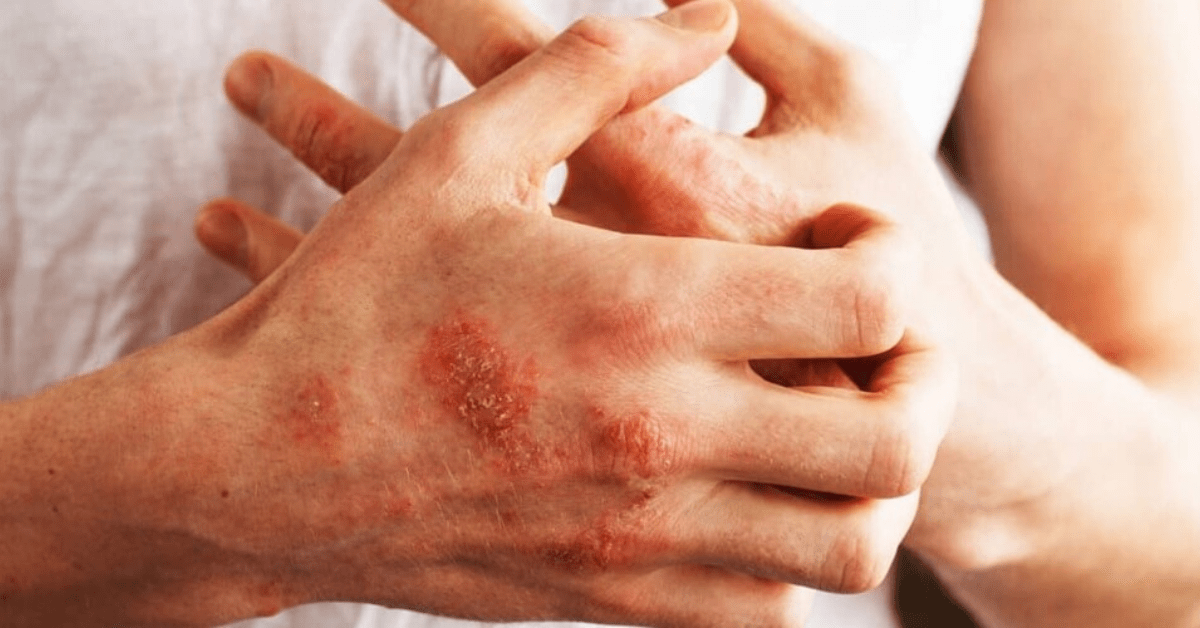
HBOT for Complex Wounds: What Makes It So Effective?

Hyperbaric oxygen therapy (HBOT) is widely used in medical wound care because it directly targets that oxygen limitation. In a hyperbaric chamber, patients breathe 100% oxygen in a pressurized environment. The increased pressure helps the blood carry more oxygen, especially to injured tissues, and can support immune function that helps protect against infection.

Why Plastic Surgeons Recommend HBOT Pre and Post Surgery: Better Results, Faster Healing

Hyperbaric oxygen therapy (HBOT) is increasingly used as a supportive tool in plastic surgery recovery because it targets one of the most important ingredients for repair: oxygen. In a hyperbaric chamber, patients breathe near-100% oxygen in a pressurized environment. That pressure allows more oxygen to dissolve into the bloodstream and reach tissues that can be oxygen-starved due to swelling or disrupted microcirculation. Major clinical resources describe HBOT’s role in increasing oxygen delivery to injured tissues and supporting the body’s ability to protect against infection.

HBOT for Orthopedic Surgery: How Oxygen Helps Bones, Tendons & Joints Heal

Hyperbaric oxygen therapy (HBOT) is far more than a luxury health, performance and recovery method for elite athletes and celebrities. It is becoming a mainstream component of orthopedic surgery recovery plans, especially for those looking to reduce healing time without compromising outcomes. From ACL tears and rotator cuff repairs to spinal procedures, HBOT addresses the underlying biological needs of healing tissues by providing oxygen levels far beyond what normal breathing can achieve.