
Faster Return to Play: How Athletes Use HBOT for Injury Recovery
Reviewed by: Elizabeth Chan, NP (Medical Director, MD Hyperbaric)
In sports, recovery is everything. In the playoffs…? Do or die time.
The difference between a minor setback and a season-ending injury rarely comes down to the injury alone. It comes down to how the body heals. For athletes at every level, from youth competitors to professionals, recovery speed and quality directly impact performance, longevity, and confidence.
That is why hyperbaric oxygen therapy has become an increasingly valuable tool in sports medicine. Take it from current injured NBA Star Anthony Edwards of the Minnesota Timberwolves. Edwards and other noted athletes like Lebron James have used medical-grade HBOT in their sports injury rehab and recovery process to get back on the court sooner. Edwards returned in game one in the second round matchup versus the Spurs after suffering a bone bruise and hyperextension in his left knee in the opening round against Denver.

At its core, healing is a biological process driven by oxygen. Every phase of recovery, from controlling inflammation to rebuilding tissue, depends on the body’s ability to deliver oxygen efficiently to injured areas. When that process is disrupted, healing slows. When it is optimized, recovery accelerates.
Hyperbaric oxygen therapy works by restoring and enhancing that process at a fundamental level.
Why Injuries Slow Healing in the First Place
When an athlete gets injured, whether it is a muscle strain, ligament sprain, bone fracture, or post-surgical repair, the body immediately initiates an inflammatory response. This is a necessary step in healing, but it also creates challenges.

Swelling increases pressure within the tissue. Blood vessels become compressed. Circulation is reduced.
The result is a paradox. The injured area needs more oxygen than normal to repair itself, but it is receiving less.
This is one of the primary reasons injuries can linger. Even in otherwise healthy athletes, localized oxygen deprivation slows down the cellular processes responsible for recovery
Fatigue, stiffness, and prolonged pain are often symptoms of this mismatch.
Hyperbaric oxygen therapy is designed to correct it.
How HBOT Changes the Healing Environment
During a hyperbaric session, the athlete breathes 100 percent oxygen in a pressurized chamber. Under these conditions, oxygen dissolves directly into the plasma, not just the red blood cells.

This allows oxygen to reach tissues that would otherwise be difficult to access due to injury-related swelling or compromised blood flow.
The increase in oxygen delivery is significant. Tissues receive several times the normal oxygen concentration, creating an environment where healing can occur more efficiently.
This shift impacts every stage of recovery.
Reducing Inflammation Without Slowing Healing
In the early phase of injury, inflammation is necessary but can easily become excessive.
Too much swelling increases pain, restricts movement, and delays recovery. Traditional approaches often focus on suppressing inflammation entirely, but that can interfere with the body’s natural healing process.

HBOT takes a different approach.
It helps regulate inflammation rather than eliminate it. The pressurized oxygen environment causes mild vasoconstriction, which reduces swelling, while still delivering high levels of oxygen to the tissue.
This allows the body to continue repairing itself without the negative effects of excessive inflammation.
Athletes often notice this early. Pain begins to decrease. Range of motion improves. The injured area feels less restricted.
Supporting Tissue Repair at a Cellular Level
As healing progresses, the body shifts into the repair phase. This is where oxygen becomes even more critical.
Oxygen is required for collagen synthesis, the process that rebuilds damaged ligaments, tendons, and muscle fibers. It is also essential for fibroblast activity, which helps form the structural framework of new tissue.
Without sufficient oxygen, this process is slower and less effective. Tissue may heal, but not with the same strength or integrity.
HBOT enhances this phase by ensuring that cells have the oxygen they need to function optimally.
It also promotes angiogenesis, the formation of new blood vessels. This improves long-term circulation in the injured area, making the tissue more resilient and less prone to re-injury.
For athletes, this distinction matters. Recovery is not just about getting back on the field. It is about returning at full capacity.
Accelerating Recovery After Surgery
Surgical intervention is often necessary to repair structural damage, especially in high-level athletes. Procedures involving ligaments, joints, or fractures create controlled trauma in order to restore function.
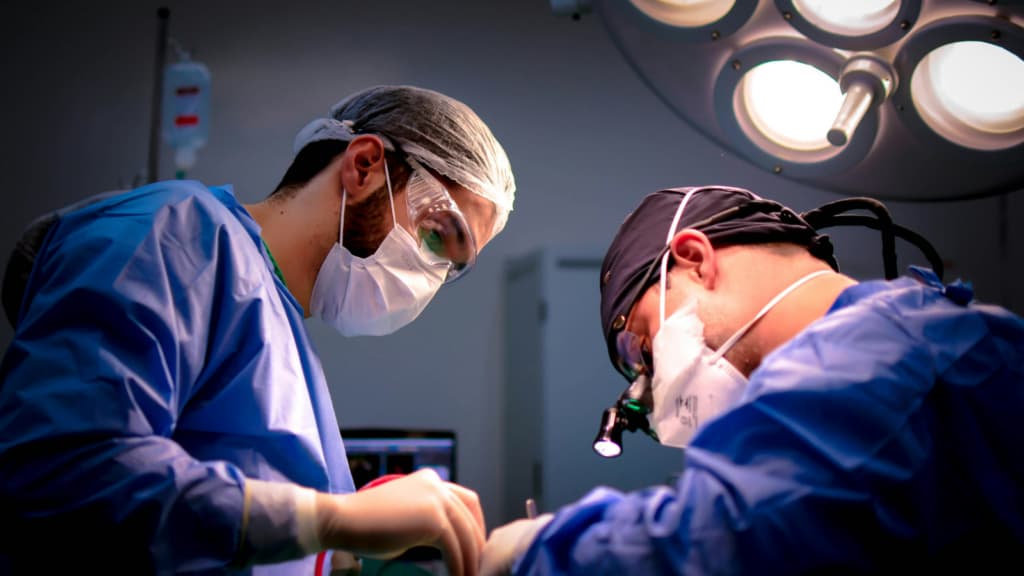
But surgery also initiates a new healing process, one that comes with inflammation, tissue damage, and increased metabolic demand.
HBOT supports post-surgical recovery by improving oxygen delivery during this critical period.
This can lead to:
- Reduced post-operative swelling
- Lower risk of complications related to poor oxygenation
- Faster progression through rehabilitation phases
- Improved tissue integration and healing quality
In orthopedic settings, optimizing recovery after surgery can significantly impact long-term outcomes. The goal is not just healing, but restoring strength, mobility, and durability. Applying HBOT for orthopedic surgery recovery enables oxygen to help bones, tendons, and joints heal faster.
Energy Production and Recovery Speed
Healing requires energy.
At the cellular level, that energy comes from mitochondria, which use oxygen to produce ATP. When oxygen availability is limited, ATP production decreases, and the healing process slows.
This is one reason athletes often feel unusually fatigued during injury recovery. The body is working harder but producing energy less efficiently.
HBOT helps restore this balance.
By increasing oxygen availability, it supports mitochondrial function and improves energy production. This allows cells to repair themselves more effectively and reduces the overall strain on the body.
Athletes often describe this as a noticeable shift. Recovery feels less draining. Progress becomes more consistent.
Neurological Recovery and Coordination
Injury does not only affect the body. It also impacts the nervous system and brain health.
Pain, inflammation, and reduced activity can disrupt neuromuscular coordination. Athletes may feel a loss of control or precision, even after the tissue itself has healed. Concussions and Traumatic Brain Injuries can have even more devastating short and long term effects
HBOT has been shown to support brain function by improving oxygen delivery and reducing neuroinflammation.

This can help restore motor control, reaction time, and coordination, all of which are critical for safe return to play.
For athletes, this is often the difference between being physically healed and being truly ready to compete.
Real-World Recovery Timelines
At MD Hyperbaric, we see consistent patterns in athletes who incorporate HBOT into their recovery protocols.
Compared to standard recovery approaches, they often experience:
- Shorter overall downtime
- Faster reduction in pain and swelling
- More steady, predictable progress
- Greater confidence during return to play
This applies across age groups and skill levels.
Youth athletes benefit from faster healing and reduced risk of long-term complications. Adult athletes often notice improved recovery not just from injury, but between training sessions as well.
The goal is not to rush healing, but to support it so that it happens as efficiently and completely as possible.
A Smarter Approach to Recovery
Recovery has evolved.
It is no longer just about rest, ice, and waiting. It is about understanding the biology of healing and creating the right conditions for the body to repair itself.
Hyperbaric oxygen therapy does exactly that.
By increasing oxygen delivery, regulating inflammation, supporting tissue repair, and improving energy production, it addresses the root factors that determine how quickly and how well an athlete recovers.
For those looking to return to play stronger, not just sooner, that difference matters.
Oxygen is not an add-on to recovery.
It is the foundation that makes recovery possible.
Supporting Research:
Boussi-Gross et al., 2013. HBOT improves tissue regeneration and reduces inflammation in musculoskeletal injuries.
Hadanny & Efrati, 2020. Hyperbaric oxygen therapy enhances recovery through angiogenesis and mitochondrial function.
Staples & Clement, 2022. Oxygen therapy in sports recovery and injury repair.
Disclaimer: This article is for informational purposes only and does not constitute medical or insurance advice. Please consult a qualified healthcare provider for personal recommendations and check with your insurance company for current policy details.
Still Have Questions?
Questions About HBOT? Let's Chat
Book your free 15-minute discovery call today.
What Our Patients Say
Real Patients. Real Results
 Post-Surgical Recovery
“Getting HBOT helped me a lot with my wound healing. I noticed my scars remarkably lightened. My mood and energy levels improved as well in just three weeks of getting two sessions each week — despite my demanding work schedule, I felt like I had more energy.”Namae
 Inflammatory Bowel Disease
“I was prescribed HBOT by my specialist to treat a complex and traumatic issue stemming from IBD and reconstructive GI surgeries. I did a full course and absolutely saw improvement right away. The staff are amazing, very professional and caring.”Kathleen
 Injury Recovery
“I broke my wrist playing tennis and came to MD Hyperbaric Westchester to help speed up my recovery. After a few sessions I have felt a tremendous improvement in energy, sleep — and my doctor says my wrist is healing remarkably well.”John
 Cancer Adjunct
“I'm a breast cancer survivor, and after radiation near my lungs, I thought this treatment might be useful. I can feel a difference in my breathing and cognition. I definitely recommend it if your body has gone through a traumatic experience.”Aziza
 Wellness
“I recently began using Hyperbaric Oxygen Therapy at MD Hyperbaric, and it's been one of the most unique and impactful wellness treatments I've explored. I was drawn in by the potential benefits for anxiety, fatigue, and overall cellular repair, but I didn't expect it to feel this restorative — and my skin is glowing too!”Olesia
MD Hyperbaric Is Rapidly Expanding
Find Your Nearest HBOT Center
Before Your First Visit
Frequently Asked Questions
Hyperbaric Oxygen Therapy (HBOT) is a proven treatment that enhances healing by flooding the body with oxygen. Used for over 100 years, it supports brain health, anti-aging, athletic recovery, and medical conditions by boosting oxygen in blood, tissues, and organs. Patients breathe 100% oxygen in a pressurized chamber, accelerating recovery and promoting cellular repair.
HBOT is FDA-approved for 14 conditions like burns, carbon monoxide poisoning, and non-healing wounds. Emerging research also supports its use for post-surgical recovery, brain injury, fatigue, inflammation, athletic recovery, and anti-aging. Our medical team will assess if HBOT is right for you.
Yes, HBOT is safe when properly supervised. At MD Hyperbaric, treatments are protocol-driven, medically overseen, and administered by certified staff. Our Medical Director and onsite Safety Director ensure every session is carefully monitored, and we continuously update our protocols based on the latest research to prioritize patient safety.
Typically, most treatment sessions are approximately 60 minutes, though some conditions may require up to 90 or 120 minutes. Pressurization and depressurization may add about 20 minutes to the appointment, so you should plan for about 90 minutes for your visit.
The number of sessions depends on the condition being treated. Some patients may benefit from a few sessions, while others may require a more extended treatment plan. A typical protocol will involve 10-40 daily sessions to build up oxygen in the cells. Our Medical Director will recommend a specific treatment plan to address your goals and needs.
Prior to treatment, please try to avoid alcohol or carbonated drinks. It is best to avoid smoking and other tobacco products during your treatment period, as they may interfere with the body's ability to transport oxygen. Otherwise, there are no restrictions for food or activity before or after your treatment. We encourage you to have healthy meals and stay hydrated.
Most patients find HBOT sessions relaxing. You will rest comfortably in a 7.5-foot-long steel chamber, breathing 100% pure oxygen through a mask. During pressurization and depressurization, you may feel pressure changes similar to airplane travel. A trained technician will monitor you throughout the session.
The term "dive" is used because the process simulates the experience of a deep-sea dive in a pressurized environment. Hyperbaric Oxygen Therapy has deep roots in diving as an important therapy for treating divers experiencing decompression sickness.
At MD Hyperbaric, we use the FDA-cleared OxyHealth Fortius420, a spacious hard-shell chamber delivering 100% medical-grade oxygen via mask. It operates up to 3.0 ATA, allows tailored pressures, supports air breaks, and includes three windows for comfort and safety.
At MD Hyperbaric, we use hard-shell chambers that deliver 100% medical-grade oxygen at higher pressures for superior therapeutic benefits. Soft-shell chambers operate at lower pressures without medical-grade oxygen, making them less effective for medical treatment.
Our team will assess your medical history and specific circumstances through an intake process. An initial evaluation with certified staff and the Medical Director will determine your eligibility for HBOT.
No referral is needed. Our Medical Director will review your intake forms and prescribe HBOT if appropriate. If you have a prescription from a provider, we will coordinate with them. For serious health conditions, we may recommend getting clearance from your physician.
Some MD Hyperbaric centers accept insurance for certain on-label conditions — the FDA-recognized indications for which HBOT is an established standard of care. Whether insurance applies depends on your diagnosis, your plan, and the center you visit, so please contact your local center to confirm. Where insurance does not apply, HBOT is a self-pay treatment: most FSA/HSA plans allow reimbursement, and we can provide a superbill and receipt to help you submit a claim.
It depends on how you pay. For insurance-covered treatment at participating centers, your cost depends on your plan's deductible, copay, and coinsurance — the center verifies your benefits and explains expected costs before treatment begins. For self-pay treatment, we offer a variety of pricing options designed to suit different medical and financial needs, including pay-as-you-go and package options at reduced rates when purchased upfront. Please contact us to discuss pricing and options. We accept cash, credit, or check.