
qEEG: A Powerful Tool for Brain Mapping and Its Synergy with HBOT
When it comes to understanding the brain, the tools available to medical professionals have evolved dramatically. One of the most advanced and insightful technologies available today is qEEG (Quantitative Electroencephalography). Unlike traditional brain imaging techniques that primarily look at brain structure, qEEG measures the brain’s electrical activity, offering real-time insights into how the brain is functioning. But what makes qEEG truly exciting is its synergy with Hyperbaric Oxygen Therapy (HBOT), a groundbreaking treatment used to promote healing in the brain and body.
In this blog post, we’ll explore what qEEG is, how it works, how it differs from other brain scans, and why combining qEEG with HBOT could be a game-changer for treating various neurological conditions.
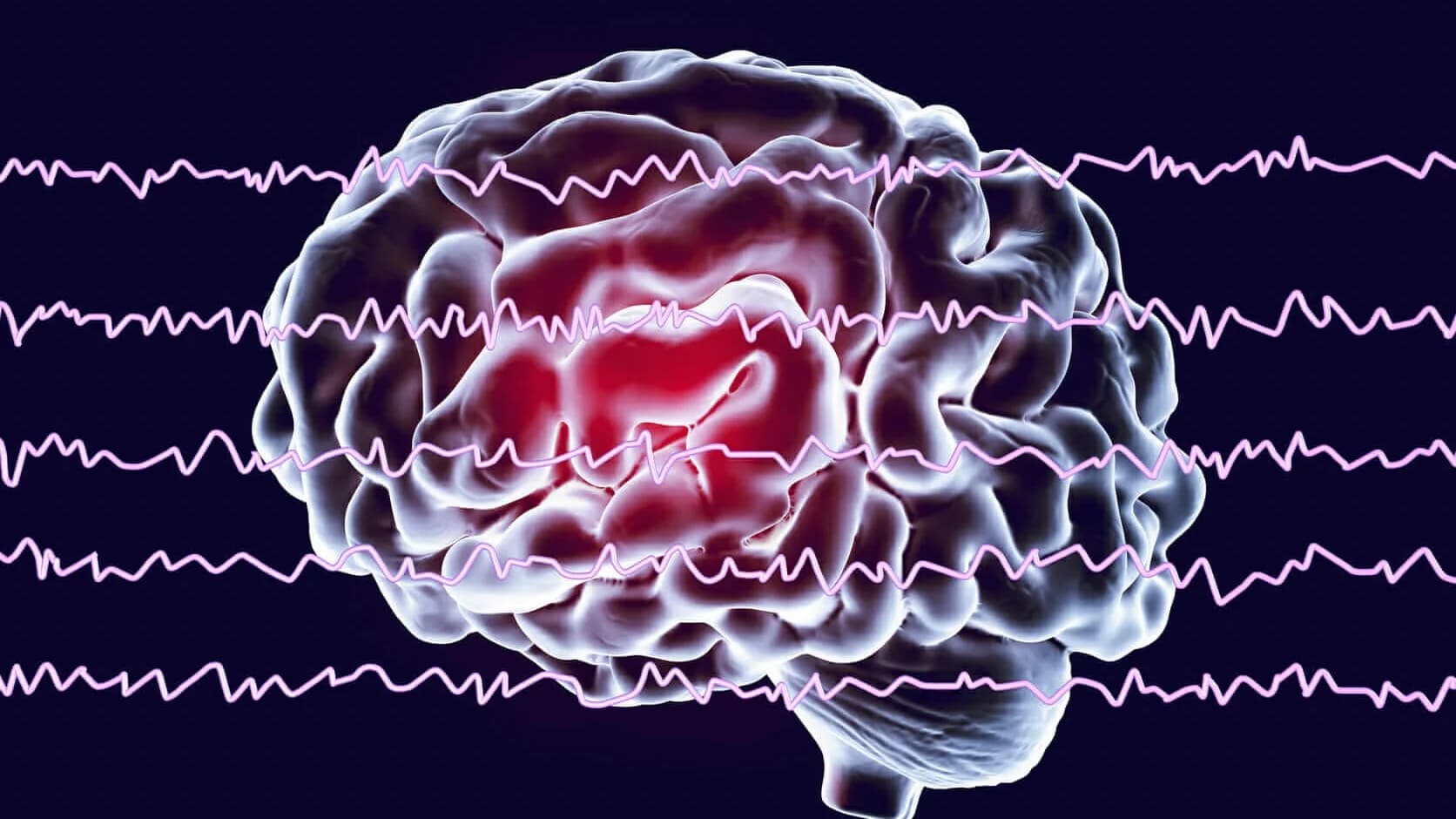
What is qEEG?
Quantitative Electroencephalography (qEEG) is an advanced diagnostic tool used to measure the brain’s electrical activity, commonly known as brain waves. Brain waves are generated by neurons as they communicate with each other. The qEEG process involves placing electrodes on the scalp to detect and record these electrical signals, providing a detailed map of brain activity.
Unlike traditional EEG, which involves a simple visual analysis of brain wave patterns, qEEG goes a step further by applying complex mathematical algorithms to the EEG data. This transforms the raw brain wave activity into detailed quantitative metrics, allowing healthcare providers to analyze specific frequencies and patterns associated with brain function.
How Does qEEG Work?
The process of conducting a qEEG is relatively straightforward but highly specialized:
Preparation: Electrodes are placed on the patient’s scalp in predetermined locations. These electrodes are non-invasive and painless.
Data Collection: The electrodes capture the electrical activity produced by the brain. These electrical signals are then recorded for a certain period, often while the patient is resting or performing cognitive tasks.
Quantitative Analysis: Using specialized software, the recorded data is transformed into visual representations—often color-coded brain maps that highlight areas of overactivity or underactivity. The brain’s electrical signals are categorized into different wave frequencies: Delta, Theta, Alpha, Beta, and Gamma, each associated with different states of consciousness and cognitive functions.
Interpretation: The brain map provides insights into how various regions of the brain are functioning. Healthcare providers can then use this information to diagnose neurological imbalances, brain injuries, or even mental health conditions.
What is qEEG Used For?
qEEG has numerous applications, particularly in diagnosing and treating neurological conditions. Here are some common uses:
Traumatic Brain Injuries (TBI): qEEG helps pinpoint areas of the brain affected by trauma, identifying regions with abnormal electrical activity. This is especially useful for tailoring treatments like HBOT to target areas that need the most support.
Cognitive Disorders: qEEG is often used to assess conditions like ADHD, dementia, and autism spectrum disorders. By mapping brainwave activity, it can help guide treatments aimed at improving cognitive function and attention.
Mental Health: In patients with anxiety, depression, or PTSD, qEEG can reveal dysregulated brainwave patterns that may be contributing to these conditions. This data can then be used to fine-tune interventions like neurofeedback or other therapies.
How Does qEEG Differ from Other Brain Scans?
While other brain imaging technologies like MRI or CT scans focus on the structural aspects of the brain, qEEG provides a detailed look at the brain’s functional activity. Here’s how qEEG compares to some common brain imaging techniques:
1. MRI (Magnetic Resonance Imaging)
- What it does: Provides detailed images of brain structures, tissues, and potential lesions.
- Limitations: While excellent for diagnosing structural problems like tumors or brain bleeds, MRI cannot measure brain activity.
- qEEG advantage: Offers real-time insight into how the brain is functioning, revealing issues that an MRI can’t detect, such as abnormal brainwave patterns or electrical dysregulation.
2. CT Scan (Computed Tomography)
- What it does: Uses X-rays to create images of brain structures and is often used for detecting injuries or abnormalities like fractures or hemorrhages.
- Limitations: Similar to MRI, it doesn’t measure brain function.
- qEEG advantage: Identifies functional issues in the brain, making it particularly valuable in conditions like TBI where structural scans may appear normal but the patient continues to experience cognitive deficits.
3. fMRI (Functional Magnetic Resonance Imaging)
- What it does: Measures brain activity by detecting changes in blood flow, indicating which areas of the brain are more active during specific tasks.
- Limitations: Requires the patient to perform tasks during the scan and is generally less accessible due to high costs and complexity.
- qEEG advantage: More affordable and accessible, providing detailed functional brain maps without the need for task-based activities.
Synergy Between qEEG and Hyperbaric Oxygen Therapy (HBOT)
Now that we’ve covered how qEEG works and its uses, let’s explore its synergy with Hyperbaric Oxygen Therapy (HBOT).
HBOT enhances brain function by increasing the amount of oxygen that reaches the brain, thereby promoting tissue repair and reducing inflammation. However, to truly maximize the benefits of HBOT, understanding where the brain needs the most help is crucial. This is where qEEG plays a vital role. Here’s how the two complement each other:
1. Personalized Treatment
How qEEG Helps: qEEG brain mapping allows healthcare providers to identify the specific areas of the brain that are functioning abnormally. For instance, if a patient has lingering cognitive issues following a TBI, qEEG can pinpoint whether the frontal lobe, responsible for decision-making and attention, is underactive.
How HBOT Helps: With this data, HBOT treatments can be tailored to enhance oxygen delivery to these specific brain regions, optimizing recovery. The ability to target these areas can accelerate healing by promoting neuroplasticity and enhancing brain function where it’s needed most.
2. Monitoring Progress
How qEEG Helps: By conducting multiple qEEG scans throughout the course of treatment, healthcare providers can monitor changes in brain function over time. If the patient is undergoing HBOT for a brain injury, a qEEG can show whether brainwave patterns are normalizing, indicating that the treatment is working.
How HBOT Helps: HBOT accelerates healing by improving oxygen supply to damaged tissues. The more sessions a patient completes, the more improvement in brain function they might see, which can be validated and measured through follow-up qEEG scans.
3. Enhancing Cognitive Function
How qEEG Helps: In conditions like brain fog or post-concussion syndrome, qEEG can highlight areas of brainwave dysregulation—such as excess Theta waves (linked to daydreaming) in areas that should be more focused and alert.
How HBOT Helps: HBOT can work alongside qEEG insights to restore proper brain function, reducing symptoms like fatigue and cognitive sluggishness. The synergy between qEEG mapping and oxygen therapy ensures that both diagnostic and treatment approaches are aligned, leading to better outcomes.
How MD Hyperbaric Combines qEEG and HBOT for Optimal Results
At MD Hyperbaric, we recognize the power of combining qEEG brain mapping with Hyperbaric Oxygen Therapy to create personalized, highly effective treatment plans. Our comprehensive approach allows us to identify the specific areas of the brain that need support and then target those areas through HBOT, offering a holistic path to recovery.
Whether you’re recovering from a traumatic brain injury, dealing with cognitive issues, or managing a neurological condition, we can create a tailored plan based on the synergy of these two powerful tools. With state-of-the-art technology and a team of skilled professionals, MD Hyperbaric is committed to optimizing brain function and helping patients achieve the best possible recovery.
Final Thoughts
qEEG and HBOT together offer a cutting-edge approach to diagnosing and treating brain conditions. By combining the precise insights of brain mapping with the healing benefits of oxygen therapy, patients can experience improved outcomes, whether recovering from TBI, managing neurological disorders, or seeking cognitive enhancement.
Still Have Questions?
Questions About HBOT? Let's Chat
Book your free 15-minute discovery call today.
What Our Patients Say
Real Patients. Real Results
 Post-Surgical Recovery
“Getting HBOT helped me a lot with my wound healing. I noticed my scars remarkably lightened. My mood and energy levels improved as well in just three weeks of getting two sessions each week — despite my demanding work schedule, I felt like I had more energy.”Namae
 Inflammatory Bowel Disease
“I was prescribed HBOT by my specialist to treat a complex and traumatic issue stemming from IBD and reconstructive GI surgeries. I did a full course and absolutely saw improvement right away. The staff are amazing, very professional and caring.”Kathleen
 Injury Recovery
“I broke my wrist playing tennis and came to MD Hyperbaric Westchester to help speed up my recovery. After a few sessions I have felt a tremendous improvement in energy, sleep — and my doctor says my wrist is healing remarkably well.”John
 Cancer Adjunct
“I'm a breast cancer survivor, and after radiation near my lungs, I thought this treatment might be useful. I can feel a difference in my breathing and cognition. I definitely recommend it if your body has gone through a traumatic experience.”Aziza
 Wellness
“I recently began using Hyperbaric Oxygen Therapy at MD Hyperbaric, and it's been one of the most unique and impactful wellness treatments I've explored. I was drawn in by the potential benefits for anxiety, fatigue, and overall cellular repair, but I didn't expect it to feel this restorative — and my skin is glowing too!”Olesia
MD Hyperbaric Is Rapidly Expanding
Find Your Nearest HBOT Center
Before Your First Visit
Frequently Asked Questions
Hyperbaric Oxygen Therapy (HBOT) is a proven treatment that enhances healing by flooding the body with oxygen. Used for over 100 years, it supports brain health, anti-aging, athletic recovery, and medical conditions by boosting oxygen in blood, tissues, and organs. Patients breathe 100% oxygen in a pressurized chamber, accelerating recovery and promoting cellular repair.
HBOT is FDA-approved for 14 conditions like burns, carbon monoxide poisoning, and non-healing wounds. Emerging research also supports its use for post-surgical recovery, brain injury, fatigue, inflammation, athletic recovery, and anti-aging. Our medical team will assess if HBOT is right for you.
Yes, HBOT is safe when properly supervised. At MD Hyperbaric, treatments are protocol-driven, medically overseen, and administered by certified staff. Our Medical Director and onsite Safety Director ensure every session is carefully monitored, and we continuously update our protocols based on the latest research to prioritize patient safety.
Typically, most treatment sessions are approximately 60 minutes, though some conditions may require up to 90 or 120 minutes. Pressurization and depressurization may add about 20 minutes to the appointment, so you should plan for about 90 minutes for your visit.
The number of sessions depends on the condition being treated. Some patients may benefit from a few sessions, while others may require a more extended treatment plan. A typical protocol will involve 10-40 daily sessions to build up oxygen in the cells. Our Medical Director will recommend a specific treatment plan to address your goals and needs.
Prior to treatment, please try to avoid alcohol or carbonated drinks. It is best to avoid smoking and other tobacco products during your treatment period, as they may interfere with the body's ability to transport oxygen. Otherwise, there are no restrictions for food or activity before or after your treatment. We encourage you to have healthy meals and stay hydrated.
Most patients find HBOT sessions relaxing. You will rest comfortably in a 7.5-foot-long steel chamber, breathing 100% pure oxygen through a mask. During pressurization and depressurization, you may feel pressure changes similar to airplane travel. A trained technician will monitor you throughout the session.
The term "dive" is used because the process simulates the experience of a deep-sea dive in a pressurized environment. Hyperbaric Oxygen Therapy has deep roots in diving as an important therapy for treating divers experiencing decompression sickness.
At MD Hyperbaric, we use the FDA-cleared OxyHealth Fortius420, a spacious hard-shell chamber delivering 100% medical-grade oxygen via mask. It operates up to 3.0 ATA, allows tailored pressures, supports air breaks, and includes three windows for comfort and safety.
At MD Hyperbaric, we use hard-shell chambers that deliver 100% medical-grade oxygen at higher pressures for superior therapeutic benefits. Soft-shell chambers operate at lower pressures without medical-grade oxygen, making them less effective for medical treatment.
Our team will assess your medical history and specific circumstances through an intake process. An initial evaluation with certified staff and the Medical Director will determine your eligibility for HBOT.
No referral is needed. Our Medical Director will review your intake forms and prescribe HBOT if appropriate. If you have a prescription from a provider, we will coordinate with them. For serious health conditions, we may recommend getting clearance from your physician.
Some MD Hyperbaric centers accept insurance for certain on-label conditions — the FDA-recognized indications for which HBOT is an established standard of care. Whether insurance applies depends on your diagnosis, your plan, and the center you visit, so please contact your local center to confirm. Where insurance does not apply, HBOT is a self-pay treatment: most FSA/HSA plans allow reimbursement, and we can provide a superbill and receipt to help you submit a claim.
It depends on how you pay. For insurance-covered treatment at participating centers, your cost depends on your plan's deductible, copay, and coinsurance — the center verifies your benefits and explains expected costs before treatment begins. For self-pay treatment, we offer a variety of pricing options designed to suit different medical and financial needs, including pay-as-you-go and package options at reduced rates when purchased upfront. Please contact us to discuss pricing and options. We accept cash, credit, or check.