
Concussion Treatment Options: Why Hyperbaric Oxygen Therapy (HBOT) Is Gaining Attention
Concussions are a type of mild traumatic brain injury (mTBI) that can result in a wide range of symptoms, from headaches and fatigue to difficulty concentrating and changes in mood. While many people recover with rest and time, others experience persistent symptoms that interfere with daily life. As awareness of concussions grows, so does the demand for safe, effective treatment options.
One therapy gaining increased attention is Hyperbaric Oxygen Therapy (HBOT). This non-invasive, oxygen-based therapy is being explored as a supportive option for individuals experiencing lingering post-concussive symptoms. In this blog, we’ll explore traditional treatment paths, emerging therapies, and why HBOT is becoming a compelling part of the conversation.
“Among the most promising developments is hyperbaric oxygen therapy (HBOT), which has shown potential in treating persistent post-concussion symptoms.”
American Orthopaedic Society for Sports Medicine
Traditional Concussion Treatment Options
Treatment for concussions typically follows a conservative, symptom-guided approach. Standard strategies may include:
- Physical and cognitive rest: Avoiding strenuous activity, screen time, and mentally demanding tasks during early recovery.
- Gradual return to activity: Reintroducing physical and cognitive activity in stages under clinical supervision.
- Medication: For headaches, sleep disturbances, or mood symptoms.
- Vestibular and vision therapy: For balance issues or visual disturbances.
- Cognitive therapy: To address memory, concentration, or executive function challenges.
While many patients improve with these approaches, a subset develops Post-Concussion Syndrome (PCS)—symptoms that persist for weeks, months, or even years after the initial injury.

Challenges in Managing Persistent Symptoms
Patients with prolonged post-concussive symptoms often experience a mix of:
- Physical issues like fatigue, headaches, dizziness, or light/noise sensitivity
- Cognitive difficulties such as brain fog, memory issues, or slowed thinking
- Emotional changes like irritability, anxiety, or depression
- Sleep disturbances including insomnia or oversleeping
These symptoms can severely impact quality of life. Conventional treatment options often fall short once a concussion becomes chronic. This is where HBOT has entered the picture as a promising, evidence-informed option.
What Is HBOT?
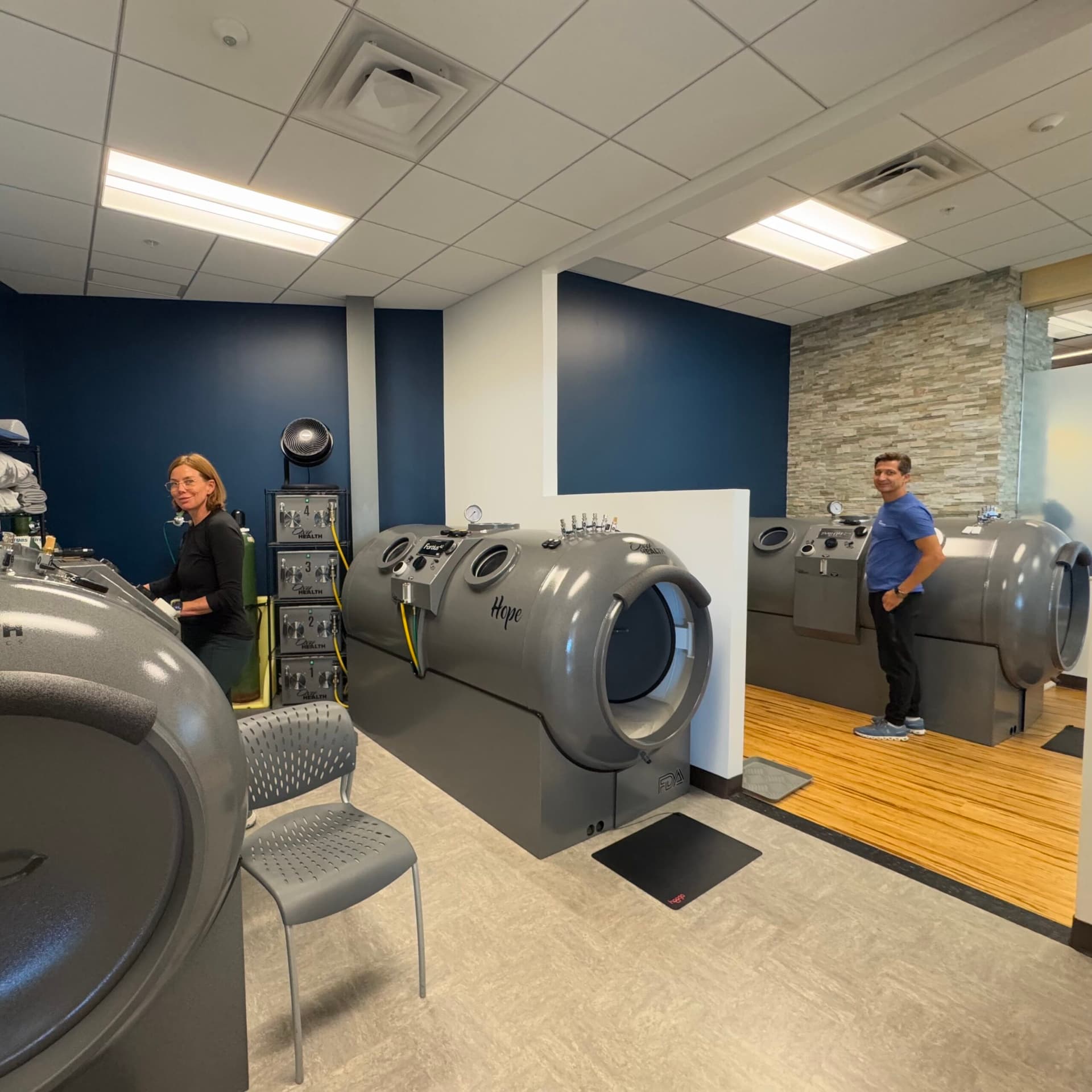
Hyperbaric Oxygen Therapy involves breathing 100% oxygen in a pressurized chamber. By increasing atmospheric pressure (usually to 1.5–2.0 ATA), HBOT allows more oxygen to dissolve into the plasma, delivering higher concentrations to injured tissue—particularly the brain.
This can:
Improve oxygenation in areas of the brain impacted by the injury
- Reduce inflammation
- Promote neuroplasticity
- Support tissue repair and angiogenesis
- Encourage mitochondrial and metabolic recovery
Why HBOT for Concussions?
1. Supports Neurological Healing
HBOT has been shown to promote neurogenesis (growth of new neurons), stimulate neuroplasticity (the brain’s ability to rewire), and help recover damaged tissue in the penumbra zone—the area surrounding injured brain cells.
2. Improves Cognitive Function
Clinical studies have reported improvements in memory recall, focus, and overall cognitive performance following a course of HBOT sessions. Many patients also note reduced brain fog and quicker mental processing.
3. Reduces Inflammation and Oxidative Stress
HBOT can moderate inflammatory and oxidative stress pathways, which are believed to play a role in prolonging concussion symptoms.
4. Non-Invasive and Drug-Free
For patients seeking a natural, low-risk approach, HBOT offers an alternative that doesn’t involve pharmaceuticals or invasive procedures.
5. Potential for Long-Term Improvements
Even in chronic cases—months or years after the initial injury—HBOT has shown the potential to produce measurable changes in brain function, suggesting that healing can still occur beyond the acute phase
What Does a Typical HBOT Protocol for Concussion Look Like?
While protocols may vary by provider, research-supported treatment plans often include:
- Session Count: 40 sessions for PCS; 60 sessions for moderate-to-severe TBI
- Frequency: 3-5 days per week
- Duration: 60 minutes per session
- Pressure: 1.5 to 2.0 ATA, adjusted based on individual needs
According to studies such as Boussi-Gross et al. (2013) and Hadanny et al. (2018), this regimen has led to significant functional and cognitive improvements
Is HBOT Right for You?
If you or someone you love is struggling with lingering concussion symptoms, HBOT may be worth exploring. It’s particularly relevant for:
- Individuals with Post-Concussion Syndrome
- Athletes with repeat concussions
- Children or teens who haven’t responded to conventional therapy
- Veterans or accident survivors with persistent cognitive or mood changes
While HBOT is not a cure-all and results can vary, it offers a unique therapeutic pathway focused on brain repair, not just symptom management.
Final Thoughts
As awareness of concussion recovery continues to evolve, so must the range of treatment tools we offer patients. HBOT represents a scientifically plausible, increasingly validated option that targets the neurological root of concussion-related dysfunction.
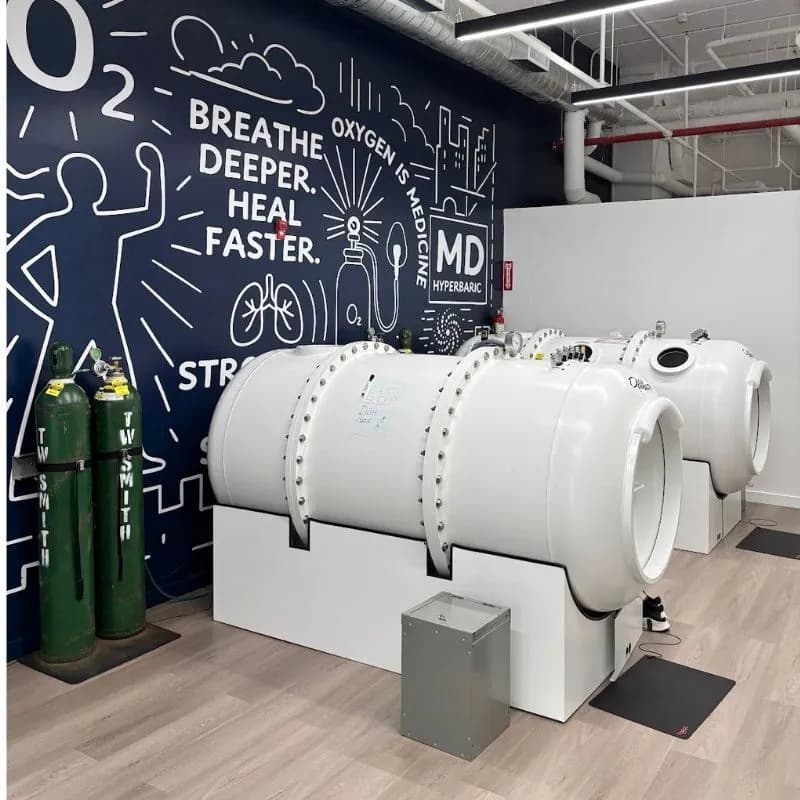
It’s important to work with a knowledgeable provider who understands how to apply HBOT safely and effectively for brain-related conditions. Clinics like MD Hyperbaric incorporate evidence-based protocols, medical oversight, and comprehensive intake screening to ensure HBOT is used appropriately.
If you’re researching concussion treatment options and want to go beyond conventional rest and medication, HBOT may offer a new frontier of hope.
If you’re curious about whether HBOT is a good fit for you, consider booking a Discovery Call. Understanding the experience is the first step toward making an informed decision.
Disclaimer: This article is for informational purposes only and does not constitute medical or insurance advice. Please consult a qualified healthcare provider for personal recommendations and check with your insurance company for current policy details.
Still Have Questions?
Questions About HBOT? Let's Chat
Book your free 15-minute discovery call today.
What Our Patients Say
Real Patients. Real Results
 Post-Surgical Recovery
“Getting HBOT helped me a lot with my wound healing. I noticed my scars remarkably lightened. My mood and energy levels improved as well in just three weeks of getting two sessions each week — despite my demanding work schedule, I felt like I had more energy.”Namae
 Inflammatory Bowel Disease
“I was prescribed HBOT by my specialist to treat a complex and traumatic issue stemming from IBD and reconstructive GI surgeries. I did a full course and absolutely saw improvement right away. The staff are amazing, very professional and caring.”Kathleen
 Injury Recovery
“I broke my wrist playing tennis and came to MD Hyperbaric Westchester to help speed up my recovery. After a few sessions I have felt a tremendous improvement in energy, sleep — and my doctor says my wrist is healing remarkably well.”John
 Cancer Adjunct
“I'm a breast cancer survivor, and after radiation near my lungs, I thought this treatment might be useful. I can feel a difference in my breathing and cognition. I definitely recommend it if your body has gone through a traumatic experience.”Aziza
 Wellness
“I recently began using Hyperbaric Oxygen Therapy at MD Hyperbaric, and it's been one of the most unique and impactful wellness treatments I've explored. I was drawn in by the potential benefits for anxiety, fatigue, and overall cellular repair, but I didn't expect it to feel this restorative — and my skin is glowing too!”Olesia
MD Hyperbaric Is Rapidly Expanding
Find Your Nearest HBOT Center
Before Your First Visit
Frequently Asked Questions
Hyperbaric Oxygen Therapy (HBOT) is a proven treatment that enhances healing by flooding the body with oxygen. Used for over 100 years, it supports brain health, anti-aging, athletic recovery, and medical conditions by boosting oxygen in blood, tissues, and organs. Patients breathe 100% oxygen in a pressurized chamber, accelerating recovery and promoting cellular repair.
HBOT is FDA-approved for 14 conditions like burns, carbon monoxide poisoning, and non-healing wounds. Emerging research also supports its use for post-surgical recovery, brain injury, fatigue, inflammation, athletic recovery, and anti-aging. Our medical team will assess if HBOT is right for you.
Yes, HBOT is safe when properly supervised. At MD Hyperbaric, treatments are protocol-driven, medically overseen, and administered by certified staff. Our Medical Director and onsite Safety Director ensure every session is carefully monitored, and we continuously update our protocols based on the latest research to prioritize patient safety.
Typically, most treatment sessions are approximately 60 minutes, though some conditions may require up to 90 or 120 minutes. Pressurization and depressurization may add about 20 minutes to the appointment, so you should plan for about 90 minutes for your visit.
The number of sessions depends on the condition being treated. Some patients may benefit from a few sessions, while others may require a more extended treatment plan. A typical protocol will involve 10-40 daily sessions to build up oxygen in the cells. Our Medical Director will recommend a specific treatment plan to address your goals and needs.
Prior to treatment, please try to avoid alcohol or carbonated drinks. It is best to avoid smoking and other tobacco products during your treatment period, as they may interfere with the body's ability to transport oxygen. Otherwise, there are no restrictions for food or activity before or after your treatment. We encourage you to have healthy meals and stay hydrated.
Most patients find HBOT sessions relaxing. You will rest comfortably in a 7.5-foot-long steel chamber, breathing 100% pure oxygen through a mask. During pressurization and depressurization, you may feel pressure changes similar to airplane travel. A trained technician will monitor you throughout the session.
The term "dive" is used because the process simulates the experience of a deep-sea dive in a pressurized environment. Hyperbaric Oxygen Therapy has deep roots in diving as an important therapy for treating divers experiencing decompression sickness.
At MD Hyperbaric, we use the FDA-cleared OxyHealth Fortius420, a spacious hard-shell chamber delivering 100% medical-grade oxygen via mask. It operates up to 3.0 ATA, allows tailored pressures, supports air breaks, and includes three windows for comfort and safety.
At MD Hyperbaric, we use hard-shell chambers that deliver 100% medical-grade oxygen at higher pressures for superior therapeutic benefits. Soft-shell chambers operate at lower pressures without medical-grade oxygen, making them less effective for medical treatment.
Our team will assess your medical history and specific circumstances through an intake process. An initial evaluation with certified staff and the Medical Director will determine your eligibility for HBOT.
No referral is needed. Our Medical Director will review your intake forms and prescribe HBOT if appropriate. If you have a prescription from a provider, we will coordinate with them. For serious health conditions, we may recommend getting clearance from your physician.
Some MD Hyperbaric centers accept insurance for certain on-label conditions — the FDA-recognized indications for which HBOT is an established standard of care. Whether insurance applies depends on your diagnosis, your plan, and the center you visit, so please contact your local center to confirm. Where insurance does not apply, HBOT is a self-pay treatment: most FSA/HSA plans allow reimbursement, and we can provide a superbill and receipt to help you submit a claim.
It depends on how you pay. For insurance-covered treatment at participating centers, your cost depends on your plan's deductible, copay, and coinsurance — the center verifies your benefits and explains expected costs before treatment begins. For self-pay treatment, we offer a variety of pricing options designed to suit different medical and financial needs, including pay-as-you-go and package options at reduced rates when purchased upfront. Please contact us to discuss pricing and options. We accept cash, credit, or check.